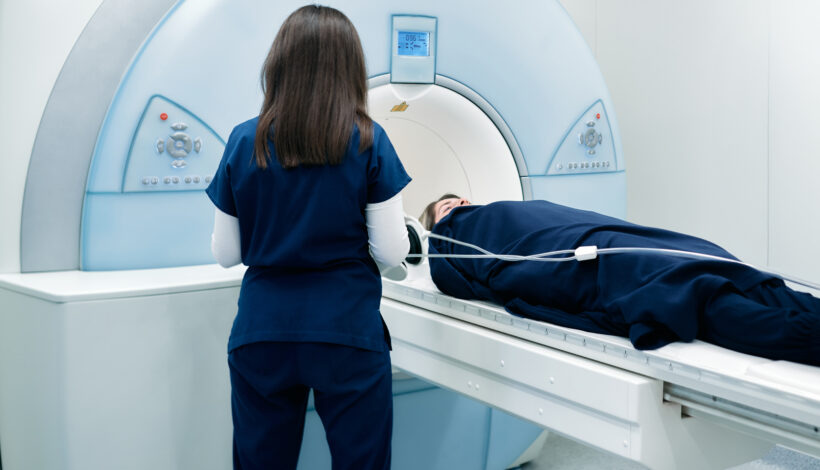
MRI Scan Price

MRI Scan Price: What to Expect and How to Prepare for Your Test

Magnetic Resonance Imaging (MRI) has become a cornerstone of modern diagnostic medicine, offering clear, detailed images without the use of harmful radiation. Patients often worry about the costs involved, wondering what the MRI scan price is, how to prepare, and what to expect before and after the procedure.

This guide from Ace Imaging Centre is designed to answer your questions, especially about MRI scan price, while helping you feel confident and informed before your appointment.

What Is an MRI Scan?

MRI scan price

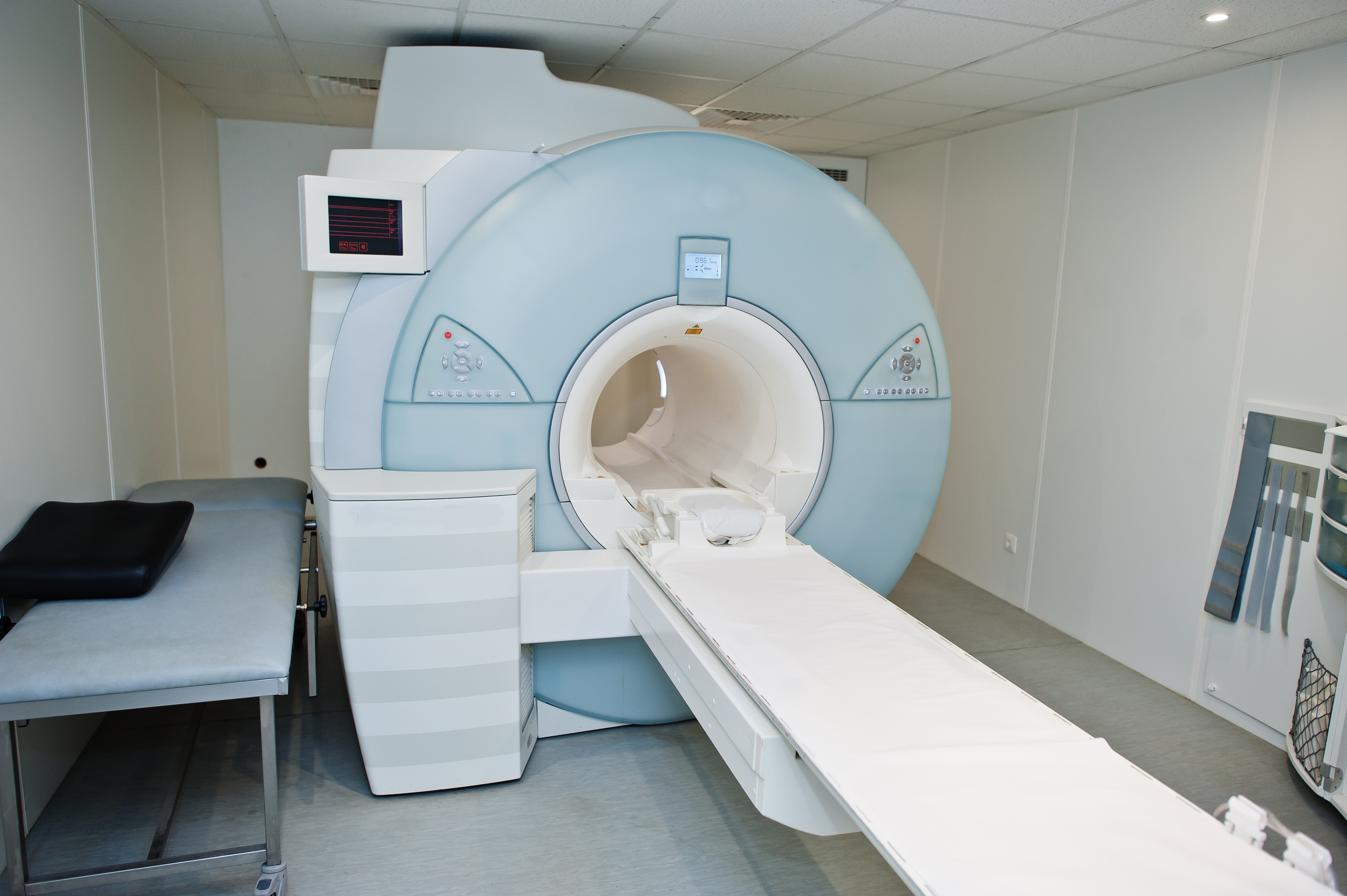
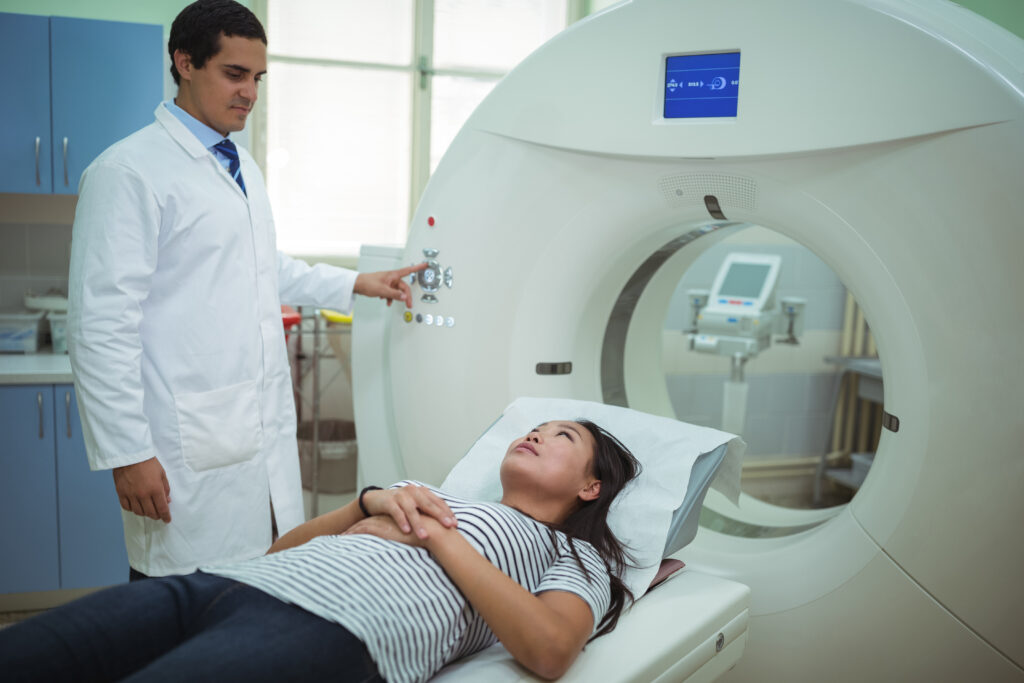
An MRI (Magnetic Resonance Imaging) scan is a medical imaging technique that uses strong magnets and radio waves to produce detailed images of the organs and tissues inside your body. It is particularly useful for:

  • Neurological examinations (brain and spinal cord)
  • Musculoskeletal issues (joints, bones, ligaments)
  • Abdominal and pelvic organs
  • Cardiovascular system
  • Tumor detection

Unlike X-rays or CT scans, MRI does not use ionizing radiation, making it safer for repeated imaging.

How Does an MRI Work?

MRI machines create a powerful magnetic field around your body. When exposed to this field, the hydrogen atoms in your body align themselves in a particular direction. Radiofrequency pulses then disturb this alignment, and the MRI scanner detects the signals emitted as the atoms return to their original state. These signals are converted into detailed cross-sectional images by a computer.

Common Reasons for an MRI Scan

Your doctor may recommend an MRI scan for several reasons, including:

  • Persistent headaches or migraines
  • Spinal pain, disc issues, or sciatica
  • Joint pain or injuries (knee, shoulder, etc.)
  • Suspected tumors or abnormal growths
  • Brain disorders (stroke, MS, epilepsy)
  • Liver, kidney, or pelvic organ concerns

MRI Scan Price: What to Expect

The MRI scan price in India can vary widely based on the following factors:

  • Type of scan (Brain, Spine, Knee, Full Body, etc.)
  • Use of contrast dye (with or without contrast)
  • Number of body parts being scanned
  • Location and facility
  • Machine quality (1.5T vs 3T MRI)

At Ace Imaging Centre, we strive to offer transparent and affordable pricing. Our MRI scans start from ₹3,999, ensuring top-quality imaging at a patient-friendly rate.

MRI Price Chart (India)

Here is a general overview of MRI scan prices across India, including our competitive rate:

Type of MRI ScanAverage Price (₹)Ace Imaging Centre Price (₹)
MRI Brain Without Contrast₹4,500 – ₹7,000₹3,999
MRI Spine (Cervical/Lumbar)₹5,000 – ₹8,000₹4,200
MRI Knee₹5,000 – ₹7,500₹4,000
MRI Shoulder₹5,500 – ₹8,000₹4,000
MRI Abdomen (With Contrast)₹8,000 – ₹12,000₹6,500
Full Body MRI Scan₹15,000 – ₹25,000₹9,999

Note: Prices may vary slightly based on the specific requirement and radiologist recommendation.

What’s Included in the MRI Scan Price?

When you choose Ace Imaging Centre, the MRI scan price includes:

  • Radiologist consultation
  • Scan procedure
  • Imaging report (hard copy + digital)
  • CD/DVD of images
  • Optional same-day reporting (extra charge)
  • Comfortable and sanitized scan environment

There are no hidden charges, and our team will inform you if a contrast-enhanced MRI is needed in advance.

How to Prepare for an MRI Scan

Preparing for your MRI scan is simple but essential. Here are the steps:

General Preparation

  • Wear loose, comfortable clothing.
  • Avoid wearing any metal items: belts, jewelry, watches, or hairpins.
  • Inform your radiologist if you have any implants like pacemakers, cochlear implants, or metal fragments.
  • Carry previous scans or doctor’s notes.

For Contrast MRIs

  • You may be advised to fast for 4–6 hours before the test.
  • Inform staff about any allergies or kidney problems.

What Happens During the Scan?

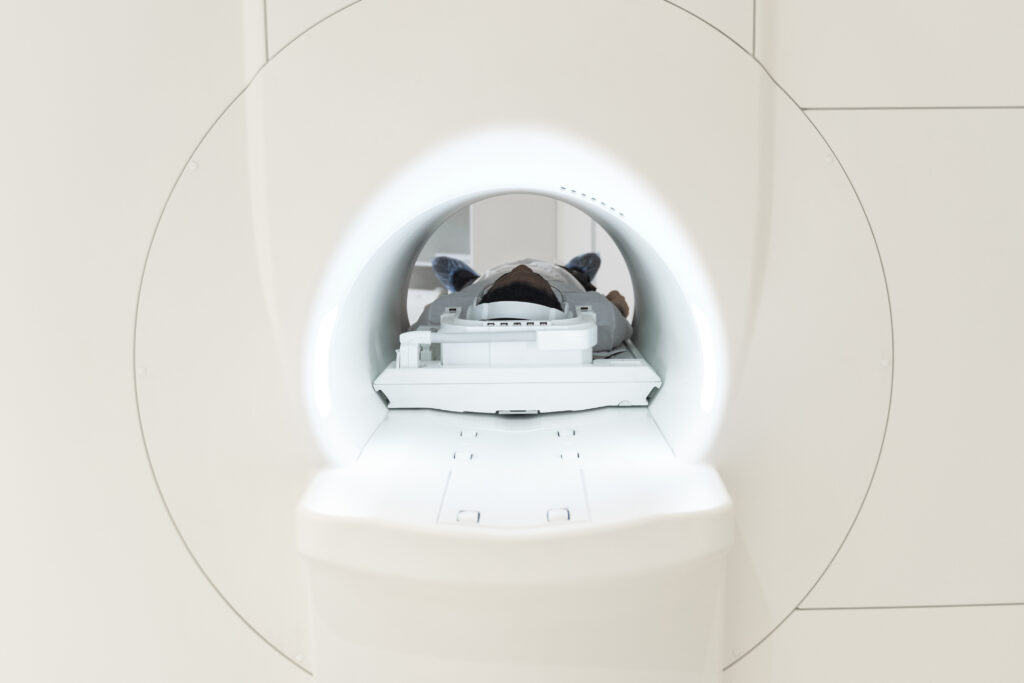
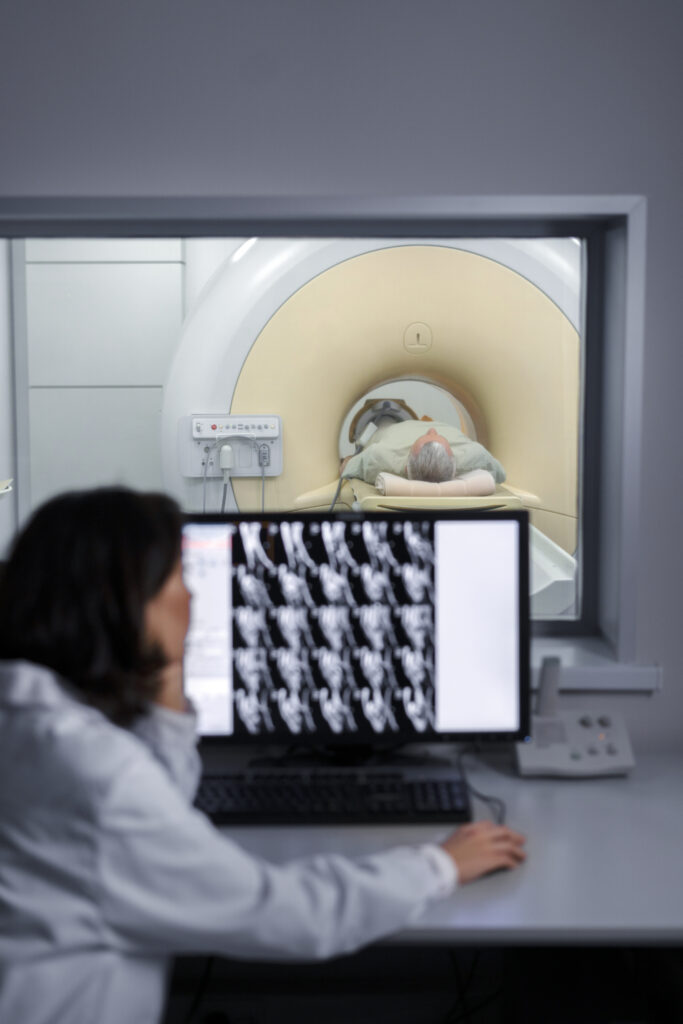
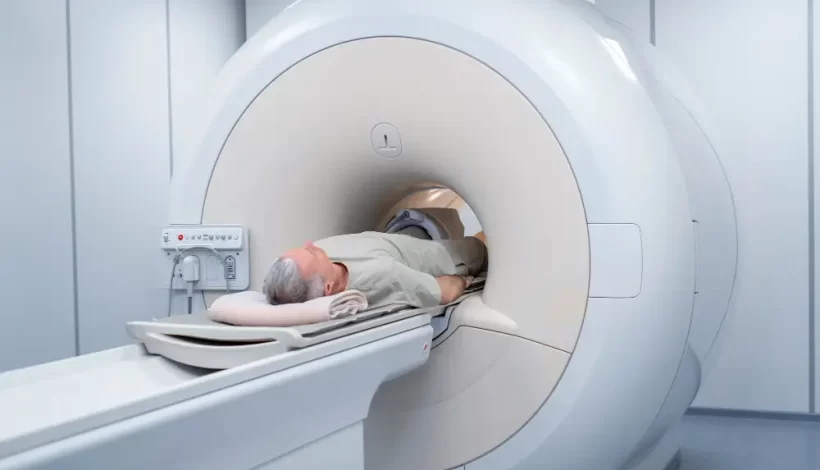
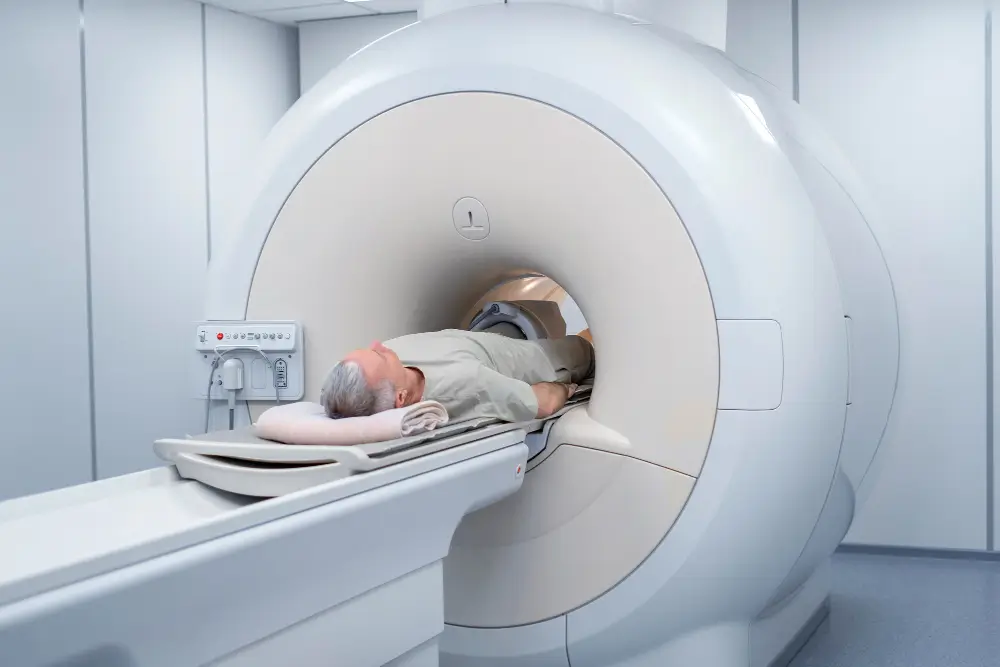
  1. Positioning: You’ll be asked to lie on a padded table that slides into the MRI machine.
  2. Noise: The machine makes loud tapping or knocking sounds; earplugs or headphones are usually provided.
  3. Stillness: Staying still is crucial to getting accurate images.
  4. Contrast Injection (if needed): A safe contrast dye may be injected to enhance image clarity.

The scan may take 15 to 60 minutes depending on the area being examined.

After the MRI Scan: What Next?

  • You can resume normal activities immediately unless sedatives were given.
  • Reports are generally available within 24 to 48 hours.
  • If a contrast agent was used, drink plenty of water to help flush it out.

Our radiologist will send a detailed report to your referring physician or directly to you if requested.

Why Choose Ace Imaging Centre?

At Ace Imaging Centre, your comfort and care are our top priorities. Here’s why patients trust us:

  • Affordable pricing – Starting at just ₹3,999
  • Experienced radiologists – Certified and trained professionals
  • Advanced technology – High-quality 1.5T and 3T MRI machines
  • Patient-friendly environment – Comfortable, hygienic, and welcoming staff
  • Quick appointments – Minimal wait time with online booking options

We are committed to providing world-class diagnostic services with honesty and compassion.

FAQs About MRI Scan Price

1. What is the Price of MRI Scan?

The MRI scan price at Ace Imaging Centre starts at ₹3,999. The final cost depends on the body part being scanned and whether a contrast agent is used. We offer upfront pricing with no hidden fees.

2. Is MRI covered under health insurance?

Yes, most health insurance plans cover MRI scans if prescribed by a doctor. Please check with your insurance provider for specifics. We can help with documentation.

3. Is contrast MRI more expensive?

Yes, contrast MRIs generally cost more due to the additional dye and monitoring required. At Ace Imaging Centre, we clearly inform you of any additional charges beforehand.

4. Can I get an MRI scan without a doctor’s prescription?

While it’s best to have a prescription, walk-in patients are welcome. However, some specific MRIs require prior consultation for safety reasons.

5. Is there a difference in price between 1.5T and 3T MRI?

Yes. A 3T MRI machine provides higher resolution images and may be priced slightly higher than a 1.5T scan. Your doctor will guide you on which is necessary.

Final Thoughts

Understanding the MRI scan price is an important step in managing your healthcare decisions. At Ace Imaging Centre, we ensure full transparency, high-quality imaging, and patient-centric care—all at a price that’s affordable and fair. Whether it’s your first MRI or a follow-up scan, our team is here to support you every step of the way.

If you’re searching for MRI scan cost or comparing the MRI scan price in your area, book your appointment with Ace Imaging Centre today and experience diagnostic care that puts you first.
    Book an appointment

    Fill form and get discount. Check Offers

    PET Scan vs CT Scan

    PET Scan or CT Scan? What to Expect Before, During, and After

    Medical imaging plays a vital role in diagnosing, monitoring, and managing a wide range of conditions—from cancer and neurological disorders to internal injuries and infections. Two of the most widely used diagnostic tools are the PET scan and CT scan. Though they are often mentioned together, these scans serve different purposes and work in unique ways.

    In this guide, we’ll walk you through the basics of each scan, what to expect before, during, and after your appointment, and help you better understand which one might be recommended for you.

    Understanding the Scans

    FeatureCT ScanPET Scan
    Full NameComputed TomographyPositron Emission Tomography
    Technology UsedX-rays to create cross-sectional imagesRadioactive tracers to observe metabolic activity
    PurposeShows structural detailShows functional processes
    Common UsesBone injuries, tumors, blood clots, organ structureCancer detection, heart conditions, brain disorders
    Scan Duration5–10 minutes30–60 minutes (including tracer time)
    Radiation InvolvedYesYes (with tracer)
    Contrast MaterialOften usedMay not be needed

    What Is a CT Scan?

    A CT scan is a diagnostic tool that combines X-rays and computer technology to produce detailed images of bones, organs, and soft tissues. It is commonly used for detecting:

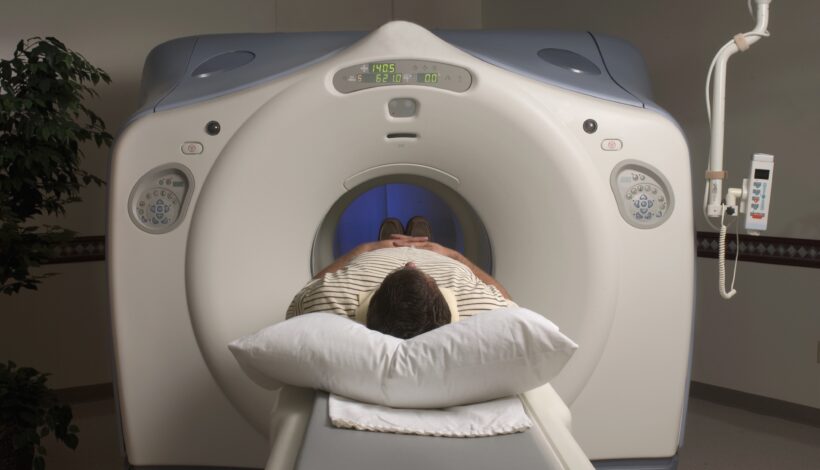
    CT Scan
    • Internal bleeding or injuries
    • Lung and liver conditions
    • Bone fractures
    • Tumor detection
    • Monitoring treatment response in cancer

    At Ace Imaging Center, our advanced CT machines produce high-resolution images quickly and with minimal discomfort. The scan is typically short and non-invasive, making it a preferred choice for many urgent and routine cases.

    What Is a PET Scan?

    A PET scan uses a small amount of radioactive material called a tracer, which is injected into the bloodstream. The tracer travels through your body and highlights areas with increased metabolic activity—commonly found in cancer cells or certain brain and heart disorders.

    PET Scan

    Conditions PET scans can help diagnose and monitor include:

    • Cancer (diagnosis, staging, recurrence)
    • Alzheimer’s and other neurological conditions
    • Fever of unknown origin – to identify hidden focus of infection in entire body.
    • Diagnosing Inflammatory conditions like sarcoidosis or vasculitis
    • Epilepsy and seizure mapping

    The scan itself is painless. However, you’ll need to rest for a while after the tracer is injected, as your body absorbs it before the actual imaging takes place.

    What to Expect: Before, During, and After the Scan

    Here’s a clear, side-by-side comparison of what you can expect at each stage of the imaging process:

    StageCT ScanPET Scan


    Before
    – May be asked to fast for 2–4 hours if contrast is used.– Fasting for 4–6 hours may be required.
    – Inform if you have allergies, kidney issues, or are pregnant.– Avoid strenuous activity the day before. Inform if diabetic or pregnant.


    During
    – You’ll lie on a table that slides through a doughnut-shaped scanner.– A small injection of tracer is given first. You’ll rest quietly for 30–60 minutes.
    – Scan time is typically 5–10 minutes.– You’ll then lie still on the scan table for 20–30 minutes while images are taken.

    After
    – You can usually return to normal activities right away.– Drink plenty of water to help flush out the tracer.
    – If contrast was used, drink fluids to help eliminate it from your body.– Avoid close contact with infants or pregnant women for several hours post-scan.

    Is It Safe?

    Both scans involve exposure to a small amount of radiation. However, the benefits of accurate diagnosis often far outweigh the risks. These imaging tools are approved by medical authorities and used globally with great success.

    At Ace Imaging Center, we follow strict safety protocols and use low-dose techniques wherever possible to ensure your well-being. Our team will explain the process and answer all your concerns before your scan.

    Patient Comfort at Ace Imaging Center

    At Ace Imaging Center, we prioritize patient care at every step. From the moment you arrive, our team works to make you feel comfortable and informed. We maintain a clean, peaceful environment and use state-of-the-art machines that provide faster, more accurate results with minimal discomfort.

    Whether it’s your first scan or a follow-up, we understand that diagnostic imaging can feel overwhelming. Our technicians and radiologists take the time to walk you through the process and ensure that you’re confident and at ease throughout your visit.

    Conclusion

    When it comes to choosing between a PET scan vs CT scan, the decision depends on what your doctor needs to diagnose or monitor. A CT scan provides detailed anatomical images perfect for detecting physical injuries, tumors, or organ conditions. A PET scan, on the other hand, focuses on metabolic activity, helping detect diseases at a cellular level, even before structural changes appear.

    At Ace Imaging Center, we offer both PET and CT scanning under one roof, along with expert guidance to help you and your doctor make informed choices. With cutting-edge imaging equipment, trained professionals, and a patient-first approach, we’re committed to providing you with accurate, timely, and compassionate diagnostic care.

    PET Scan vs CT Scan

    PET Scan vs CT Scan vs MRI: Understanding Their Role in Pre-Operative Assessments

    The Importance of Pre-Operative Assessments

    A pre-operative assessment is a crucial step before any surgery, helping doctors evaluate a patient’s health and plan the best approach for the procedure. Diagnostic imaging plays a vital role in this process, providing detailed views of the body’s internal structures. PET scans, CT scans, and MRIs are the most commonly used imaging techniques, each with unique benefits depending on the patient’s medical needs. Understanding their differences is essential for ensuring a successful surgical outcome.

    What Is a Pre-Operative Assessment?

    A pre-operative assessment is a thorough evaluation that helps medical professionals determine the best approach for surgery. It includes physical exams, lab tests, and diagnostic imaging to evaluate the health of organs, tissues, and bones. By detecting underlying conditions such as cancer, inflammation, or internal damage, imaging tests like PET, CT, and MRI scans allow surgeons to plan more accurately and provide better surgical care.

    PET Scan: A Deep Dive Into Metabolic Activity

    PET (Positron Emission Tomography) scans are particularly valuable in the detection of cancer and metabolic disorders. This imaging technique involves the use of radioactive tracers that are injected into the patient’s body. These tracers emit positrons, which are detected by the scanner to create images that show how tissues and organs are functioning. This makes PET scans invaluable for detecting early-stage cancers, tumor spread, and cellular activity.

    Pet Scan

    In pre-operative assessments, PET scans are often used to:

    • Detect the presence of cancer: Especially when tumors may not be visible on other imaging tests.
    • Assess the extent of disease spread: PET scans can help determine if cancer has spread to other parts of the body (metastasis), allowing surgeons to adjust the surgical approach.
    • Evaluate organ function: In some cases, PET scans can help assess how well organs like the heart are functioning before surgery.

    Advantages of PET Scans for Pre-Operative Assessments:

    • Early detection of cancers or other diseases
    • Helps in staging cancers and determining the spread of disease
    • Offers detailed metabolic information

    CT Scan: The Quick and Comprehensive Imaging Tool

    CT Scan

    A CT scan (Computed Tomography) combines multiple X-ray images from different angles to create detailed cross-sectional images of the body. It is a versatile tool used for visualizing both soft tissues and bone structures. CT scans are particularly useful in detecting injuries, tumors, and infections.

    In pre-operative evaluations, CT scans help doctors:

    • Detect bone fractures or internal injuries: CT scans are quick and effective in assessing bone-related conditions.
    • Identify tumors: CT scans can be used to assess the size, shape, and location of tumors, providing crucial information for cancer surgeries.
    • Visualize organs and blood vessels: For surgeries that require a detailed understanding of the body’s internal systems, CT scans offer high-resolution imaging to guide the surgical team.

    Advantages of CT Scans for Pre-Operative Assessments:

    • Fast results, which are ideal in emergency situations
    • High-resolution images for clear visualization of bones, soft tissues, and organs
    • Non-invasive and relatively easy to perform

    MRI: Detailed Imaging for Soft Tissues

    MRI (Magnetic Resonance Imaging) is a non-invasive imaging technique that uses powerful magnetic fields and radio waves to create detailed images of soft tissues in the body. Unlike CT scans and PET scans, MRI scans do not use radiation, making them a safer option for certain patients, especially for long-term monitoring.

    MRI Scan

    In pre-operative assessments, MRI scans are typically used for:

    • Neurological conditions: MRI scans are highly effective for evaluating the brain, spinal cord, and nerves. This makes them invaluable for pre-operative planning for brain surgery, spinal surgeries, or nerve-related procedures.
    • Musculoskeletal imaging: MRI scans provide high-resolution images of muscles, joints, and ligaments, making them ideal for planning orthopedic surgeries, such as joint replacements or tendon repairs.
    • Soft tissue evaluation: For surgeries involving organs like the liver, kidneys, or muscles, MRI scans offer a detailed look at the soft tissue structures, helping surgeons plan the most effective approach.

    Advantages of MRI for Pre-Operative Assessments:

    • High resolution for soft tissue imaging
    • No radiation exposure, making it safer for repeated use
    • Ideal for neurological and musculoskeletal evaluations

    Key Differences: PET Scan vs CT Scan vs MRI

    FeaturePET ScanCT ScanMRI
    RadiationYes (radioactive tracers)Yes (X-rays)No (magnetic fields)
    Primary UseCancer detection, metabolic activityBone fractures, organ conditionsSoft tissue and neurological disorders
    SpeedSlow (30–60 minutes)Fast (5–10 minutes)Slow (30–60 minutes)
    CostHigh due to radioisotopesModerateModerate to high

    When to Choose PET, CT, or MRI for Pre-Operative Assessments?

    The decision of which scan to use depends on the specific needs of the patient and the type of surgery being performed:

    • PET Scans: Ideal for cancer detection and metabolic activity. If you are undergoing surgery for cancer, a PET scan can provide vital information on tumor size, location, and spread.
    • CT Scans: Perfect for bone fractures, internal injuries, or cancer evaluation. If your surgery involves bone structures or organ systems like the lungs or abdomen, a CT scan is often the best option for quick and accurate results.
    • MRI Scans: Best for soft tissue imaging, particularly for neurological or musculoskeletal surgeries. If your surgery involves nerves, joints, or brain tissue, an MRI scan provides the detailed soft tissue images necessary for a successful procedure.

    Why Choose Ace Imaging Center?

    At Ace Imaging Center, we pride ourselves on providing top-tier imaging services to help guide your pre-operative assessments. With cutting-edge PET, CT, and MRI technologies, our highly skilled team ensures that you receive the most precise and comprehensive results possible. We focus on patient care, making sure you feel comfortable and confident throughout the process. Whether you need an accurate scan for cancer staging, soft tissue evaluation, or injury assessment, Ace Imaging Center is committed to delivering timely and reliable diagnostic imaging—including MRI scan in Mumbai—to support your healthcare journey.

    Conclusion

    Choosing the right imaging technique—whether it’s a PET scan, CT scan, or MRI—is crucial in the planning of any surgery. Each scan provides unique insights that help doctors determine the best course of action for patients, leading to more accurate, effective surgical outcomes. By understanding the benefits and uses of each type of scan, patients can make informed decisions about their pre-operative evaluations.

    If you are preparing for surgery, consult your healthcare provider to understand which imaging method will best suit your needs. At Ace Imaging Center, we provide expert imaging services to help ensure your surgical journey is smooth and successful.

    MRI Scan in Mumbai

    A Beginner’s Guide to Preparing for Your MRI Scan in Mumbai

    Magnetic Resonance Imaging (MRI) is a safe and non-invasive diagnostic tool that provides detailed images of your body’s internal structures. If you’re scheduled for an MRI scan in Mumbai, it’s natural to have questions about what to expect and how to prepare. This guide will walk you through the preparation process to ensure a smooth and stress-free experience.

    What is an MRI Scan?

    MRI scans use strong magnetic fields and radio waves to create detailed images of organs, tissues, and bones. Unlike X-rays or CT scans, MRI does not use ionizing radiation, making it a preferred choice for many conditions.

    Common uses for MRI scans include:

    • Diagnosing brain and spinal cord conditions.
    • Detecting joint injuries or abnormalities.
    • Evaluating organ health, such as the heart, liver, or kidneys.
    • Monitoring tumors or other medical conditions.

    When selecting a center, consider factors like proximity, cost, and availability of open or advanced MRI machines.

    How to Prepare for Your MRI Scan

    1. Discuss Your Medical History

    Before the scan, inform your doctor and the radiologist about:

    • Any metal implants, pacemakers, or prosthetics in your body.
    • Previous surgeries or medical conditions.
    • Allergies or claustrophobia.
    • Pregnancy, if applicable.

    This information helps the medical team determine if any special precautions are necessary.

    2. Follow Fasting Instructions (if required)

    For certain types of MRI scans, such as abdominal imaging, you may be asked to avoid eating or drinking for 4-6 hours before the procedure. Your doctor will provide specific guidelines.

    3. Wear Comfortable Clothing

    Choose loose, metal-free clothing to wear during the scan. Metal objects like zippers, buttons, or jewelry can interfere with the magnetic field. Many centers provide a gown for patients to wear during the scan.

    4. Remove Metal Objects

    Before entering the MRI room, you’ll need to remove the following:

    • Jewelry, watches, and hairpins.
    • Eyeglasses and hearing aids.
    • Wallets, credit cards, and any items containing metal.

    5. Arrive Early

    Plan to arrive at least 15-30 minutes before your scheduled appointment. This allows time for registration, briefing, and addressing any last-minute questions.

    What to Expect During the MRI Scan

    1. Pre-Scan Preparation

    • You’ll be asked to lie on a movable table that slides into the MRI machine.
    • A technician may use cushions or straps to help you remain still during the scan.

    2. Contrast Agent (if required)

    For some scans, a contrast agent may be injected into your vein to enhance image clarity. Let your doctor know if you’ve had any allergic reactions to contrast agents in the past.

    3. The Scanning Process

    • The machine will produce loud tapping or thumping noises during the scan. You’ll be given earplugs or headphones to reduce the noise.
    • The procedure typically lasts 30-60 minutes, depending on the area being examined.

    4. Staying Still

    It’s crucial to remain as still as possible during the scan to ensure clear images. If you feel discomfort, you can communicate with the technician through an intercom system.

    MRI Scan in Mumbai

    Tips for a Stress-Free MRI Experience

    1. Overcoming Claustrophobia

    If you’re nervous about being in a confined space, consider these tips:

    • Opt for an open MRI machine if available.
    • Practice relaxation techniques like deep breathing.
    • Request a sedative from your doctor if needed.

    2. Bring a Friend or Family Member

    Having a loved one accompany you can provide reassurance and help reduce anxiety.

    Ask Questions

    Don’t hesitate to ask the staff about the procedure, noise levels, or any concerns you may have.

    After the MRI Scan

    • Immediate Resumption of Activities: In most cases, you can return to your normal routine immediately after the scan.
    • Contrast Agent Side Effects: If a contrast agent was used, drink plenty of water to flush it out of your system.
    • Results Timeline: Your doctor will receive the results within 24-48 hours and discuss the findings with you.

    FAQs About MRI Scans in Mumbai

    Q1: Is an MRI scan painful?

    A: No, MRI scans are painless. However, you may experience slight discomfort from lying still for an extended period.

    Q2: How much does an MRI scan cost in Mumbai?

    A: The cost of an MRI scan in Mumbai ranges from ₹5,000 to ₹25,000, depending on the type of scan and the facility.

    Q3: Can I get an MRI if I have a pacemaker?

    A: Traditional MRI machines may not be safe for patients with pacemakers. However, newer MRI-compatible pacemakers and specialized machines are available at select centers.

    Q4: Are MRI scans safe during pregnancy?

    A: MRI scans are generally safe during pregnancy, but always consult your doctor before undergoing the procedure.

    Q5: What should I do if I feel claustrophobic?

    A: Inform the technician or doctor beforehand. Open MRI machines or mild sedatives can help alleviate claustrophobia.

    Conclusion

    Preparing for an MRI scan in Mumbai doesn’t have to be stressful. By understanding the procedure, choosing a reputable diagnostic center, and following the preparation guidelines, you can ensure a smooth and comfortable experience.