
MRI Price in India

MRI Price in India: Complete Guide to MRI Cost, Types and What to Expect

CT Scan Price in India

If your doctor has recommended an MRI, one of the first questions you may have is, “What is the MRI price in India?” The answer depends on several factors, including the body part being scanned, the type of MRI examination, whether contrast is required, the number of areas being examined, the imaging protocol and the diagnostic centre.

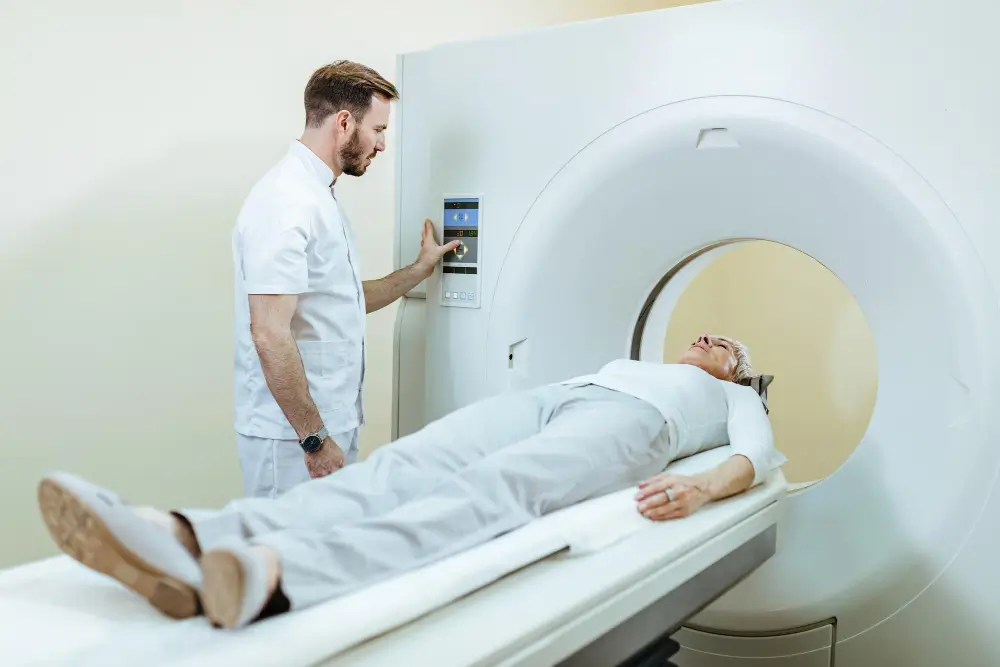
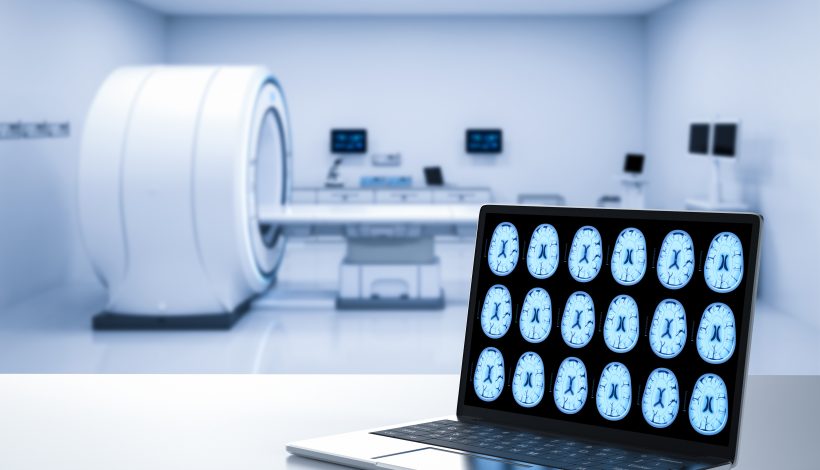
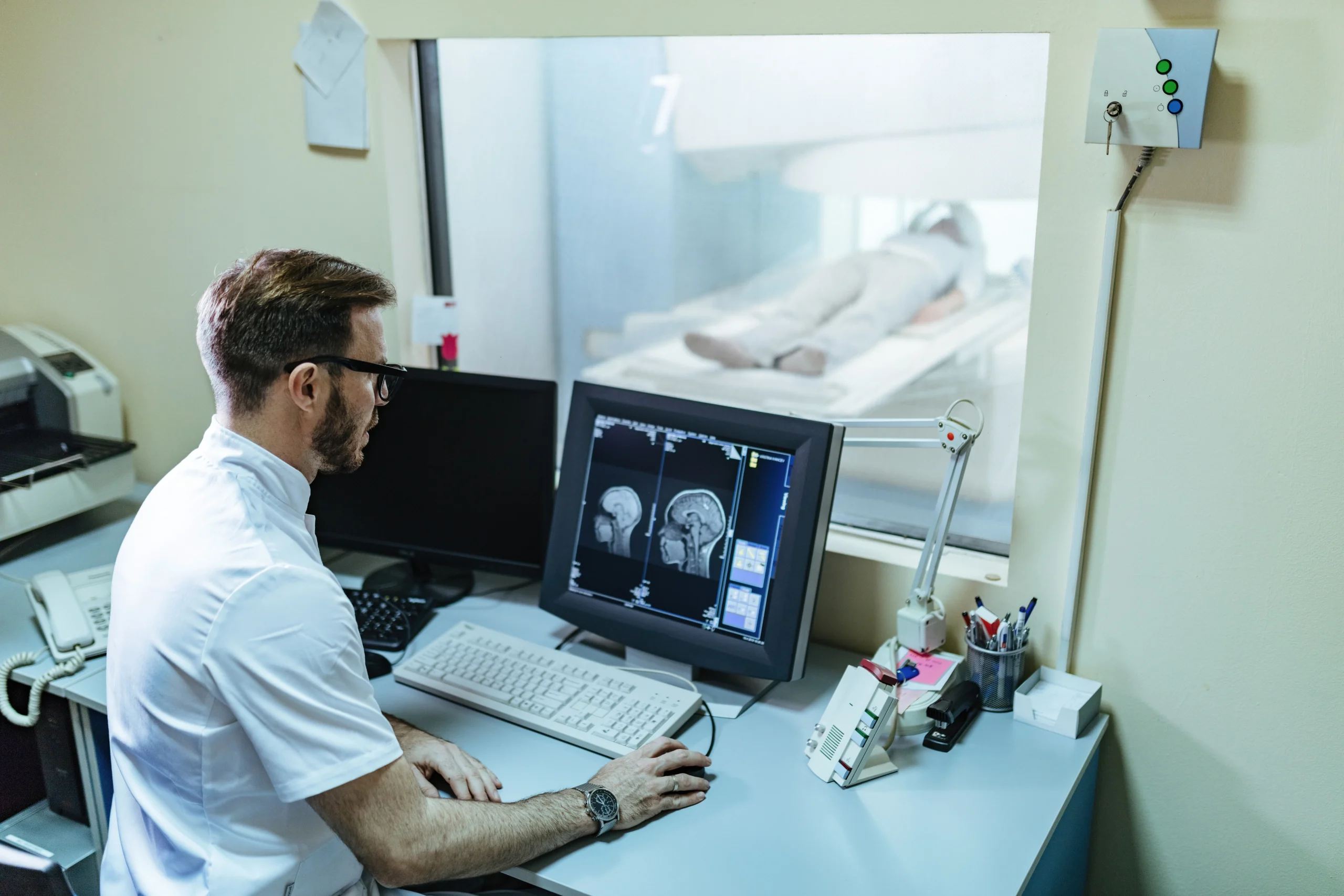
Magnetic Resonance Imaging (MRI) is an advanced diagnostic imaging technique that uses a powerful magnetic field, radio waves and computer processing to create detailed images of structures inside the body. Unlike X-rays and CT scans, MRI does not use ionising radiation.

MRI is commonly used to examine the brain, spine, joints, muscles, soft tissues, abdomen, pelvis and blood vessels. Since different MRI examinations require different protocols, there is no single fixed price applicable to every patient.

Understanding the factors that affect the MRI price in India can help patients compare costs, prepare for the examination and ask the right questions before booking an appointment.

What Is the MRI Price in India?

The MRI price in India can vary widely depending on the examination and location.

One current healthcare cost guide gives an indicative national average of approximately ₹6,000, with an indicative range of around ₹5,100 in some Tier 2 cities and ₹7,500 in Tier 1 cities. These are broad estimates rather than fixed rates.

Actual prices can differ considerably between individual examinations. For example, current Mumbai listings show MRI prices starting around ₹2,900 for some examinations, while specialised examinations can cost considerably more.

Some currently listed Mumbai examples include:

MRI Examination

Example Price

MRI Knee – Plain

Around ₹3,750

MRI Lumbar Spine – Plain

Around ₹3,650

MRI Abdomen & Pelvis

Around ₹5,500

MRI Brain with MRA & MRV

Around ₹6,650

MRI Cardiac

Around ₹9,500

MRI Abdomen Angiogram – Non-Contrast

Around ₹9,000

These are examples from current published Mumbai listings and should not be treated as fixed prices for all diagnostic centres.

A separate Mumbai diagnostic listing shows brain MRI prices of approximately ₹4,000 for a plain examination and ₹6,500 for a contrast examination, further demonstrating how pricing can vary by centre and protocol.

For the most accurate price, patients should provide the imaging centre with the exact MRI prescription.

MRI Price in India by Type of Scan

The type of MRI prescribed is one of the most important factors affecting the total cost.

Common MRI examinations include:

Type of MRI

Commonly Used For

Cost Consideration

MRI Brain

Brain and neurological evaluation

Depends on protocol and contrast

MRI Spine

Spine, discs and surrounding structures

Varies by spinal region

MRI Knee

Ligaments, cartilage, tendons and joint structures

Plain and contrast prices can differ

MRI Shoulder

Shoulder joint and soft tissues

Depends on protocol

MRI Abdomen

Abdominal organs and tissues

May require specialised sequences

MRI Pelvis

Pelvic organs and surrounding structures

Cost varies by protocol

MRI Whole Body

Imaging multiple body regions

Generally more expensive than single-region MRI

MRI Angiography

Blood vessels

May be contrast or non-contrast

Cardiac MRI

Heart and related structures

Specialised examination

MRI with Contrast

Selected conditions requiring enhanced imaging

Usually costs more than plain MRI

The exact examination should be based on your doctor’s recommendation and the clinical question that needs to be answered.

What Factors Affect MRI Price in India?

1. Body Part Being Examined

An MRI of a single knee is different from an MRI of the abdomen, brain or multiple spinal regions.

For example, a current Mumbai listing shows MRI knee and lumbar spine examinations at around ₹3,650–₹3,750, while more specialised examinations such as cardiac MRI are listed at around ₹9,500.

This is why asking for the price of an unspecified “MRI scan” may not provide an accurate estimate.

2. MRI With or Without Contrast

MRI examinations can be performed with or without a contrast agent depending on the medical indication.

A contrast-enhanced MRI may help make certain tissues, blood vessels or abnormalities more clearly visible. Because contrast involves additional medication and administration, it can increase the overall cost.

For example, one current Mumbai listing shows a right-knee MRI with contrast starting at approximately ₹6,394, while an examination of both knees with contrast starts at approximately ₹8,075.

However, contrast is not required for every MRI.

3. Number of Body Regions

The price can also change depending on whether one or multiple regions are scanned.

Examples include:

  • MRI cervical spine
  • MRI lumbar spine
  • MRI cervical and lumbar spine
  • MRI whole spine
  • MRI abdomen
  • MRI abdomen and pelvis
  • MRI multiple joints

A more extensive examination generally involves additional imaging and reporting.

4. Specialised MRI Protocols

Some MRI examinations require specialised protocols depending on the suspected condition.

Examples include:

  • MR Angiography
  • MR Venography
  • Cardiac MRI
  • Diffusion-weighted MRI
  • Functional MRI
  • Contrast-enhanced MRI
  • Specialised musculoskeletal MRI

These examinations can have different pricing from routine MRI scans.

5. Location of the Diagnostic Centre

MRI prices can vary between cities and even between diagnostic centres within the same city.

Infrastructure, equipment, staffing, radiologist reporting, operational costs and the type of MRI services offered can all contribute to price differences.

A national cost estimate currently lists an indicative MRI price of around ₹7,500 for several Tier 1 cities and around ₹5,100 for selected Tier 2 cities, although actual prices can differ significantly.

MRI Price in India: Plain vs Contrast MRI

One of the most common questions patients ask is whether they need an MRI with contrast.

What is a plain MRI?

A plain MRI is performed without an injected contrast agent. Many routine MRI examinations can provide detailed diagnostic information without contrast.

It may be used for several examinations involving:

  • Brain
  • Spine
  • Knee
  • Shoulder
  • Ankle
  • Other joints
  • Selected abdominal and pelvic conditions

What is an MRI with contrast?

Contrast-enhanced MRI involves administering a contrast agent, generally through an intravenous line, when additional information is required.

Contrast may be considered for selected cases involving:

  • Tumours or suspected abnormal growths
  • Inflammation
  • Certain infections
  • Blood vessels
  • Post-treatment assessment
  • Specific neurological conditions
  • Selected abdominal or pelvic conditions

The decision to use contrast should be based on the patient’s clinical requirements.

Why Does MRI With Contrast Cost More?

A contrast MRI can have a higher price because it may involve:

  • Contrast material
  • Intravenous administration
  • Additional imaging sequences
  • Additional staff and monitoring
  • More extensive image interpretation

However, the difference in price varies between examinations and diagnostic centres.

Patients should ask whether the quoted MRI price includes contrast if contrast has been prescribed.

What Is Included in the MRI Price?

Before booking an MRI, ask the diagnostic centre what is included in the quoted price.

Depending on the centre, the price may include:

  • MRI scanning
  • Technologist assistance
  • Image acquisition
  • Image processing
  • Radiologist reporting
  • Digital images
  • Contrast administration, where applicable

Additional charges may apply for certain specialised examinations or services.

Questions to ask before booking

  • Is this price for the exact MRI prescribed by my doctor?
  • Is it a plain or contrast MRI?
  • Is contrast included?
  • Is the radiologist’s report included?
  • Are there any additional charges?
  • When will the report be available?
  • Will I receive digital images?
  • Do I need to fast?
  • Do I need any blood tests before contrast?

These questions can help you understand the actual cost rather than comparing advertised prices that may cover different examinations.

How Long Does an MRI Scan Take?

The duration of an MRI depends on the body part and examination protocol.

For example, one current listing for an MRI chest states that the examination can take approximately 40–60 minutes.

A patient’s total appointment may take longer because it can include:

  1. Registration
  2. MRI safety screening
  3. Changing clothes, if required
  4. Removing metallic objects
  5. Positioning
  6. Contrast preparation, if required
  7. Scanning
  8. Post-scan procedures, if applicable

Patients should therefore allow enough time for the complete appointment.

How to Prepare for an MRI Scan

Preparation depends on the type of MRI being performed.

For many routine MRI examinations, extensive preparation may not be necessary. However, certain examinations may require fasting or other specific instructions.

Before your MRI:

  • Follow the preparation instructions provided by the imaging centre.
  • Inform the staff about implants or medical devices.
  • Tell the MRI team about previous surgeries.
  • Inform the centre if you have metallic fragments in your body.
  • Tell the staff if you have kidney problems.
  • Inform them about any previous reaction to contrast.
  • Tell the imaging team if you are pregnant or may be pregnant.
  • Remove jewellery, watches and other metallic objects.
  • Bring your doctor’s prescription and previous reports if requested.

Always follow the specific preparation instructions given for your examination.

Is MRI Safe?

MRI does not use ionising radiation. Instead, it uses a strong magnetic field and radio waves to produce images.

However, MRI safety screening is essential because the magnetic field can interact with certain metallic objects, implants and medical devices.

Patients should tell the MRI team about:

  • Pacemakers or implanted cardiac devices
  • Metal implants
  • Cochlear implants
  • Surgical clips
  • Neurostimulators
  • Metallic fragments
  • Previous surgeries
  • Other implanted medical devices

The MRI team can determine whether the examination can be performed safely and under what conditions.

Is MRI With Contrast Safe?

MRI contrast is used only when it is considered appropriate for the examination.

Patients should tell their doctor or imaging team if they have kidney disease or have previously experienced a reaction to MRI contrast.

The radiology team can assess the relevant medical history and determine whether contrast is appropriate.

MRI vs CT Scan: What Is the Difference?

MRI and CT are different imaging techniques and are used for different clinical purposes.

Feature

MRI

CT

Main technology

Magnetic field and radio waves

X-rays

Ionising radiation

No

Yes

Particularly useful for

Soft tissues, brain, spine, joints

Bones, lungs, trauma and many emergency conditions

Typical scan environment

Tunnel-like scanner

Shorter, wider scanner

Contrast

Used in selected examinations

Used in selected examinations

Scan duration

Often longer

Often faster

The choice between MRI and CT should be made according to the clinical situation and the information your doctor needs.

How to Choose an MRI Centre

When considering the MRI price in India, cost is an important factor, but patients should also consider the overall diagnostic service.

Before booking, check:

  • Whether the centre performs the required MRI
  • Availability of the appropriate MRI protocol
  • Patient safety procedures
  • Equipment and technology
  • Radiologist reporting
  • Image quality
  • Report turnaround time
  • Transparency of pricing
  • Whether previous scans can be provided for comparison

A lower advertised price may not represent the same examination or services as a higher quoted price, so patients should compare like-for-like MRI examinations.

Frequently Asked Questions About MRI Price in India

What is the average MRI price in India?

A current indicative estimate places the average MRI price in India at approximately ₹6,000, but actual prices vary by city, diagnostic centre, body part and examination type.

What is the MRI price in Mumbai?

There is no single MRI price in Mumbai. Current listings show prices ranging from around ₹2,900 for some examinations to substantially higher amounts for specialised MRI studies.

Is an MRI with contrast more expensive?

Generally, a contrast-enhanced MRI can cost more than a plain MRI because of the contrast material, administration and additional imaging. The exact difference depends on the examination.

Does every MRI require contrast?

No. Many MRI examinations are performed without contrast. Contrast is used when it is expected to provide additional diagnostic information.

Is MRI painful?

MRI is generally a non-invasive and painless examination. You need to remain still during image acquisition. The scanner can produce loud sounds, so hearing protection may be provided.

How long does an MRI take?

The duration varies by examination. Some scans may take around 20–30 minutes, while more extensive examinations can take longer. Certain examinations, such as chest MRI, may take approximately 40–60 minutes.

Can I eat before an MRI?

For many MRI examinations, patients can eat and drink normally. However, some examinations may require fasting. Follow the instructions provided by your diagnostic centre.

Can I have an MRI if I have an implant?

It depends on the type of implant and its MRI safety status. Always inform the imaging team about implants, devices and metallic objects before the examination.

How can I know the exact MRI price?

The most accurate approach is to share your doctor’s prescription with the imaging centre. The centre can confirm the exact examination, whether contrast is required and the current applicable price.

Book Your MRI Scan at Ace Imaging Centre

Understanding the MRI price in India can help you plan your diagnostic examination, but the exact cost depends on the type of MRI your doctor has recommended.

At Ace Imaging Centre, patients can enquire about the MRI examination mentioned on their prescription, understand the applicable preparation requirements and confirm the current price before booking.

Contact Ace Imaging Centre to enquire about the current MRI price and appointment availability for your prescribed examination.

Medical Disclaimer

This article is intended for general informational purposes only and does not replace professional medical advice, diagnosis or treatment. MRI examinations should be performed when medically indicated, and the appropriate protocol should be determined by a qualified healthcare professional. MRI prices may change and vary between diagnostic centres and examination types. Please confirm the current price and preparation instructions with Ace Imaging Centre before your appointment.


Name: Ace Imaging Center

Address: Bezolla Complex, 102, VN Purav Marg, Swastik Park, Chembur, Mumbai, Maharashtra 400071

contact: 081693 60334
🌐 https://aceimaging.in

    Book an appointment

    Fill form and get discount. Check Offers


    CT Scan Price in India

    CT Scan Price in India: Complete Guide to Cost, Types, Preparation and More

    CT Scan Price in India

    If your doctor has recommended a CT scan, one of the first questions you may have is, “What is the CT scan price in India?” The cost of a CT scan can vary depending on several factors, including the part of the body being examined, the type of CT scan, whether contrast is required, the number of regions being scanned and the diagnostic centre.

    A CT scan (Computed Tomography scan) is an advanced imaging test that uses X-rays and computer technology to create detailed cross-sectional images of structures inside the body. CT can provide information about organs, bones, blood vessels, soft tissues and internal injuries and is widely used in both routine diagnosis and emergency care.

    Because there are many different types of CT examinations, there is no single price that applies to every patient. Understanding the factors that affect the cost can help you make an informed decision and avoid confusion when comparing prices.


    What Is the CT Scan Price in India?

    The CT scan price in India varies according to the type of examination and the diagnostic facility.

    For example, current Mumbai listings show different prices for different CT examinations:

    Type of CT Scan Example Listed Price in Mumbai*
    HRCT Chest Around ₹2,425
    HRCT Chest with Contrast Around ₹4,830
    CECT Chest Around ₹4,830
    CT Urography Around ₹5,290
    CT Coronary Angiography Around ₹9,760

    *These are current example prices from an online diagnostic listing and are provided only to demonstrate how prices can differ by examination. Actual prices at Ace Imaging Centre or another diagnostic centre may vary.

    Therefore, instead of asking only for the general CT scan price, it is better to provide the exact scan mentioned on your doctor’s prescription.

    What Factors Affect CT Scan Price in India?

    Several factors can influence the final cost of a CT scan.

    1. The Body Part Being Scanned

    The area being examined is one of the main factors affecting CT scan pricing.

    Common examinations include:

    • CT Brain
    • CT Head
    • CT Chest
    • CT Abdomen
    • CT Pelvis
    • CT Abdomen and Pelvis
    • CT Spine
    • CT Sinuses
    • CT Kidney or Urography
    • CT Angiography
    • CT Coronary Angiography
    • HRCT Chest

    A routine CT of one region may have a different cost from an examination covering multiple areas.

    2. CT Scan With or Without Contrast

    Another important factor is whether the examination requires contrast material.

    Some CT scans are performed without contrast, while others require an iodine-based contrast agent to make certain blood vessels, organs or tissues more clearly visible. Contrast can improve the diagnostic information available from selected CT examinations.

    Because contrast involves additional medication, administration and monitoring, a contrast-enhanced CT may cost more than a plain CT.

    However, not every CT scan requires contrast. Your doctor or radiologist will determine whether contrast is appropriate for the clinical question.

    3. Type of CT Examination

    Specialised CT examinations can cost more than routine scans.

    Examples include:

    • HRCT Chest
    • CT Angiography
    • CT Coronary Angiography
    • CT Urography
    • CT Enterography
    • CT Colonography
    • CT Perfusion
    • Other specialised CT protocols

    For example, coronary CT angiography uses CT imaging and contrast to produce detailed images of the coronary arteries. A current Mumbai listing shows a price of ₹9,760 for this examination, demonstrating how specialised CT procedures can differ significantly from routine scans.

    4. Number of Regions Examined

    A doctor may prescribe a CT scan of one region or multiple regions.

    For example:

    • CT abdomen
    • CT pelvis
    • CT abdomen and pelvis
    • CT chest and abdomen
    • CT chest, abdomen and pelvis

    When multiple anatomical regions are examined, the examination may involve additional imaging sequences and reporting, which can affect the overall cost.

    5. Diagnostic Centre

    CT scan prices can also differ between diagnostic centres because of differences in:

    • CT equipment
    • Imaging technology
    • Radiologist expertise
    • Location
    • Staffing
    • Reporting process
    • Patient facilities
    • Contrast protocols
    • Operating costs

    When comparing prices, patients should check exactly what is included in the quoted amount.

    CT Scan Price in India by Type

    The following table provides an overview of common CT examinations and the factors that may affect their pricing.

    CT Scan Type Common Purpose Pricing Consideration
    CT Brain Evaluation of the brain and skull Depends on plain or contrast study
    CT Chest Evaluation of lungs and chest structures Depends on protocol and contrast
    HRCT Chest Detailed assessment of lung structures Usually differs from routine CT chest
    CT Abdomen Evaluation of abdominal organs Contrast may affect the cost
    CT Pelvis Evaluation of pelvic structures Depends on the protocol
    CT Abdomen & Pelvis Assessment of abdominal and pelvic regions More extensive than a single-region scan
    CT Spine Evaluation of vertebrae and spinal structures Cost varies by spinal region
    CT Urography Evaluation of kidneys, ureters and bladder Often involves a specialised protocol
    CT Angiography Detailed assessment of blood vessels Usually involves contrast
    CT Coronary Angiography Evaluation of coronary arteries Specialised examination with contrast

    These examinations should not be selected based on price alone. The appropriate CT protocol depends on the medical question your doctor is trying to answer.

    What Is a CT Scan Used For?

    CT scans can help doctors evaluate many different conditions because they provide detailed cross-sectional images of the body. CT can also create images in multiple planes and three-dimensional reconstructions.

    Doctors may recommend CT imaging for:

    • Head injuries
    • Suspected internal bleeding
    • Lung conditions
    • Chest abnormalities
    • Abdominal pain
    • Kidney and urinary tract problems
    • Bone injuries and fractures
    • Certain cancers
    • Blood vessel abnormalities
    • Sinus problems
    • Spinal conditions
    • Evaluation after trauma
    • Treatment planning and follow-up

    CT is particularly useful in emergency situations because it can produce detailed images quickly.

    CT Scan With Contrast vs Without Contrast

    Understanding the difference between these two examinations can also help explain variations in CT scan price in India.

    CT scan without contrast

    A plain CT does not require an injected contrast agent. It may be appropriate for several conditions, depending on the body part and clinical indication.

    CT scan with contrast

    Contrast-enhanced CT involves the administration of a contrast material, commonly an iodine-based agent, to improve the visibility of certain organs, tissues or blood vessels.

    Contrast may be used for selected examinations such as:

    • CT angiography
    • Certain abdominal CT examinations
    • Some chest examinations
    • Tumour assessment
    • Vascular imaging
    • Selected urinary tract examinations

    The use of contrast is determined by the doctor or radiologist and should not be requested solely because it is considered a more detailed scan.

    How Should You Prepare for a CT Scan?

    Preparation depends on the type of CT examination.

    Some CT scans require little or no preparation, while contrast-enhanced or specialised examinations may require specific instructions.

    Your imaging centre may advise you to:

    • Follow fasting instructions, if applicable.
    • Drink water as instructed.
    • Inform the staff about any allergies.
    • Inform the centre about kidney disease.
    • Tell the medical team about your medications.
    • Inform the radiology team if you are pregnant or may be pregnant.
    • Remove jewellery or metallic objects when instructed.
    • Bring your doctor’s prescription and previous imaging reports.

    For some body CT examinations, patients may be instructed not to eat or drink for several hours before the scan. Preparation varies according to the examination, so patients should follow the instructions provided by their imaging centre.

    Is CT Scan Safe?

    CT scans use X-rays, so they involve exposure to ionising radiation. The radiation dose varies depending on the type of examination and the area being scanned.

    Doctors recommend CT when the expected diagnostic benefit justifies the exposure. Modern imaging practices also focus on using the lowest radiation dose necessary to obtain diagnostically useful images.

    Patients should inform their doctor or CT technologist if there is any possibility of pregnancy because CT uses radiation.

    Children can be more sensitive to radiation, so CT examinations in children should be performed when medically necessary and with appropriate dose optimisation.

    Is Contrast Used in Every CT Scan?

    No. Many CT scans are performed without contrast.

    Contrast is used when it is expected to provide additional information. For example, it can help distinguish certain blood vessels, organs or tissues from surrounding structures.

    Before contrast administration, tell your doctor or imaging team if you have:

    • Previously experienced a reaction to contrast
    • Kidney disease
    • Diabetes
    • Thyroid problems
    • Heart disease
    • Other significant medical conditions

    Serious reactions to iodinated contrast are uncommon, but medical teams take appropriate precautions when contrast is required.

    How Long Does a CT Scan Take?

    One of the advantages of CT is that the actual image acquisition can be very quick.

    However, the total appointment time depends on:

    1. Registration and patient preparation
    2. Safety screening
    3. Positioning
    4. Administration of contrast, if required
    5. Image acquisition
    6. Post-scan observation, if necessary
    7. Image processing and reporting

    The scan itself may take only a few minutes, although the complete appointment can take longer depending on the examination.

    What Should You Ask Before Booking a CT Scan?

    When comparing the CT scan price in India, do not look only at the advertised price. Ask the diagnostic centre:

    • What is the price of the exact CT scan prescribed?
    • Is the scan plain or contrast-enhanced?
    • Is contrast included in the quoted price?
    • Is the radiologist’s report included?
    • Are there any additional charges?
    • Do I need to fast?
    • Do I need any blood tests before contrast?
    • How soon will the report be available?
    • Will digital images be provided?
    • Should I bring previous reports or scans?

    These questions can help you understand the actual cost and prepare properly for the examination.

    Why Choosing the Right CT Scan Matters

    A CT scan is not simply a standard test with one fixed protocol. Different medical conditions may require different imaging techniques.

    For example, a doctor investigating a lung condition may request an HRCT chest, while evaluation of coronary arteries may require CT coronary angiography. Similarly, urinary tract evaluation may require a CT urography protocol.

    The correct examination should therefore be based on your doctor’s clinical assessment.

    CT Scan Price in India: What Should Patients Consider?

    Price is an important consideration, but it should be evaluated alongside other factors.

    Before choosing a diagnostic centre, consider:

    • Whether the centre performs the exact CT examination prescribed
    • Appropriate imaging protocol
    • Qualified radiology professionals
    • Patient safety procedures
    • Image quality
    • Radiation-dose optimisation
    • Contrast safety protocols
    • Reporting process
    • Availability of previous images for comparison
    • Transparency about additional charges

    A clear understanding of what is included in the quoted price can make the process easier for patients and families.

    Frequently Asked Questions About CT Scan Price in India

    What is the average CT scan price in India?

    There is no single price for all CT scans. The cost varies according to the body part, type of examination, contrast requirement, number of regions and diagnostic centre. Current listings demonstrate significant differences between routine, contrast-enhanced and specialised CT examinations.

    Is a CT scan with contrast more expensive?

    It can be. Contrast-enhanced CT generally involves additional contrast material and administration, which may increase the total examination cost.

    Is CT scan painful?

    CT scanning is generally painless and non-invasive. If contrast is administered intravenously, you may feel a brief sensation when the IV is inserted or when contrast is given.

    Do I need to fast before a CT scan?

    Not always. Preparation depends on the type of CT examination. Some contrast-enhanced or specialised scans may require fasting. Follow the instructions provided by your imaging centre.

    Does a CT scan use radiation?

    Yes. CT uses X-rays and therefore involves ionising radiation. The amount varies according to the examination. Doctors weigh the expected diagnostic benefit against the potential radiation risk when recommending CT.

    Can pregnant women have a CT scan?

    If you are pregnant or think you may be pregnant, inform your doctor and the imaging team before the examination. CT may be performed during pregnancy when medically necessary, but the potential risks and benefits should be considered carefully.

    How can I find the exact CT scan price?

    The most accurate way is to contact the diagnostic centre with your doctor’s prescription. The centre can confirm the exact examination, whether contrast is required and the current price.

    Book Your CT Scan at Ace Imaging Centre

    If your doctor has recommended a CT scan, understanding the CT scan price in India is an important part of planning your diagnostic examination. However, the exact cost depends on the type of CT scan you require.

    At Ace Imaging Centre, patients can enquire about the examination mentioned on their prescription, understand the applicable preparation requirements and confirm the current scan charges before booking.

    For the latest CT scan price and appointment information, contact Ace Imaging Centre and share your doctor’s prescription or the name of the CT examination recommended to you.

    Medical Disclaimer

    This article is intended for general informational purposes only and does not replace professional medical advice, diagnosis or treatment. CT scans should be performed when medically indicated and the appropriate protocol should be determined by a qualified healthcare professional. CT prices can change and may vary between diagnostic centres and examination types. Please confirm the current price, preparation instructions and other requirements with Ace Imaging Centre before your appointment.


    Name: Ace Imaging Center

    Address: Bezolla Complex, 102, VN Purav Marg, Swastik Park, Chembur, Mumbai, Maharashtra 400071

    contact: 081693 60334
    🌐 https://aceimaging.in

      Book an appointment

      Fill form and get discount. Check Offers


      MRI Scan Cost

      MRI Scan Cost: Complete Guide to MRI Prices, Types, Preparation and What to Expect

      If your doctor has recommended an MRI, one of the first questions you may have is: “What is the MRI scan cost?” The answer depends on several factors, including the part of the body being examined, the type of MRI prescribed, whether contrast is required, the imaging protocol used, and the diagnostic centre where the scan is performed.

      MRI, or Magnetic Resonance Imaging, is an advanced diagnostic imaging technique that uses a strong magnetic field and radio waves to produce detailed images of organs, tissues, joints and other structures inside the body. Unlike X-rays and CT scans, MRI does not use ionising radiation.

      Because different MRI examinations require different imaging sequences and levels of expertise, there is no single fixed price for every MRI scan. Understanding what influences the cost can help you compare prices more meaningfully and prepare for your examination.

      MRI Scan Cost

      MRI Scan Cost: Complete Guide to MRI Prices, Types, Preparation and What to Expect

      If your doctor has recommended an MRI, one of the first questions you may have is: “What is the MRI scan cost?” The answer depends on several factors, including the part of the body being examined, the type of MRI prescribed, whether contrast is required, the imaging protocol used, and the diagnostic centre where the scan is performed.

      MRI, or Magnetic Resonance Imaging, is an advanced diagnostic imaging technique that uses a strong magnetic field and radio waves to produce detailed images of organs, tissues, joints and other structures inside the body. Unlike X-rays and CT scans, MRI does not use ionising radiation.

      Because different MRI examinations require different imaging sequences and levels of expertise, there is no single fixed price for every MRI scan. Understanding what influences the cost can help you compare prices more meaningfully and prepare for your examination.

      What Is the MRI Scan Cost in India?

      The MRI scan cost varies depending on the type of examination and the diagnostic facility. In Mumbai, for example, currently listed prices for different MRI examinations show considerable variation. One current listing shows MRI brain starting around ₹2,813, while a right-knee MRI is listed from approximately ₹3,152 and a whole-spine MRI from around ₹6,062. Contrast-enhanced examinations can cost more; a whole-spine MRI with contrast is currently listed from approximately ₹9,200.

      These figures are examples rather than a universal price list. The actual amount payable at a particular imaging centre may be different.

      Factors that can affect MRI scan cost include:

      • Body part being examined
      • Type of MRI protocol required
      • Single-region or multiple-region scan
      • MRI with or without contrast
      • Use of specialised imaging techniques
      • Strength and capabilities of the MRI equipment
      • Radiologist reporting and expertise
      • Location of the diagnostic centre
      • Whether additional sequences are required
      • Whether sedation or special assistance is needed

      Therefore, it is better to ask the imaging centre for the exact cost of the specific MRI prescribed by your doctor rather than relying on a general MRI price.

      MRI Scan Cost by Type of Examination

      The cost of an MRI depends substantially on the body part being scanned. A routine MRI of one region may cost less than a scan covering multiple regions or a specialised contrast-enhanced examination.

      MRI Examination What It Evaluates Cost Consideration
      MRI Brain Brain tissue, blood vessels and surrounding structures Depends on protocol and whether contrast is required
      MRI Spine Cervical, dorsal or lumbar spine Cost varies by region and whether one or multiple regions are scanned
      Whole Spine MRI Cervical, dorsal and lumbar spine Usually more extensive than a single-region spine MRI
      MRI Knee Ligaments, cartilage, tendons, muscles and joint structures Depends on whether one or both knees are examined
      MRI Shoulder Rotator cuff, cartilage, muscles and joint structures Varies by protocol
      MRI Abdomen Abdominal organs and soft tissues May require specialised protocols or contrast
      MRI Pelvis Pelvic organs and surrounding structures Cost varies depending on the clinical indication
      MRI Brain with Contrast Enhanced evaluation of selected brain structures Usually costs more than a non-contrast study
      MRI Whole Spine with Contrast Detailed evaluation of the entire spine with contrast Generally higher than routine whole-spine MRI

      The MRI examination should be selected based on the clinical question your doctor is trying to answer. A more expensive scan is not necessarily more appropriate unless it has been specifically indicated.

      What Factors Affect MRI Scan Cost?

      1. Body Part Being Scanned

      The area of the body being examined is one of the most important factors affecting MRI pricing.

      For example, an MRI of a single joint is different from a whole-spine MRI. The latter covers multiple spinal regions and may involve a longer examination and additional imaging sequences.

      2. MRI With or Without Contrast

      Some MRI examinations are performed without contrast, while others may require a contrast-enhanced MRI.

      MRI contrast commonly uses a gadolinium-based contrast agent. It can make certain tissues, blood vessels or abnormalities more clearly visible and may provide additional diagnostic information.

      Because contrast involves additional material, administration and monitoring, an MRI with contrast may cost more than a routine non-contrast examination.

      However, contrast is not required for every MRI. Whether it is appropriate depends on the body part, suspected condition and clinical question.

      3. Number of Regions Scanned

      An MRI may be prescribed for one specific region or multiple regions.

      For example:

      • Cervical spine MRI
      • Lumbar spine MRI
      • Cervical and lumbar spine MRI
      • Whole-spine MRI

      Scanning more than one region generally involves a more extensive examination and can affect the total cost.

      4. Specialised MRI Protocols

      Certain medical conditions require specialised MRI protocols or additional sequences. These may provide more detailed information for specific diagnostic questions.

      The final MRI protocol should be determined by the referring doctor and radiology team based on the patient’s clinical requirements.

      5. Diagnostic Centre and Equipment

      MRI costs can differ between imaging centres because of differences in equipment, technology, staffing, reporting expertise, location and operating costs.

      When comparing MRI prices, patients should therefore consider what is included in the quoted price, rather than comparing only the headline number.

      What Is Included in the MRI Scan Cost?

      Before booking an MRI, it is useful to confirm what the quoted price includes.

      Depending on the centre and examination, the fee may cover:

      • MRI scanning
      • Technologist/radiographer assistance
      • Image processing
      • Radiologist interpretation
      • Diagnostic report
      • Contrast administration, if applicable
      • Digital images or image access

      Additional charges may apply for certain services or specialised procedures.

      If you are comparing two centres, ask whether the quoted amount is the complete examination cost or whether additional charges may be added.

      MRI With Contrast vs MRI Without Contrast

      One common reason for differences in MRI scan cost is whether contrast is required.

      MRI without contrast

      A non-contrast MRI can provide detailed images of many organs, joints and soft tissues. Many routine MRI examinations can be performed without contrast.

      MRI with contrast

      In selected cases, a contrast agent may be administered through a vein to make particular tissues or abnormalities easier to distinguish.

      Contrast may be considered for certain examinations involving:

      • Tumours or suspected abnormal growths
      • Inflammation
      • Certain infections
      • Blood vessels
      • Post-treatment evaluation
      • Specific neurological conditions
      • Selected abdominal or pelvic conditions

      The decision should be based on the medical indication and the radiologist’s or referring doctor’s recommendation—not simply on the cost of the examination.

      Patients should tell the imaging team about kidney problems, previous reactions to contrast agents, allergies and other relevant medical conditions.

      Why Is MRI More Expensive Than Some Other Imaging Tests?

      MRI uses sophisticated technology to create detailed images of soft tissues and internal structures. The examination can require specialised protocols, trained MRI technologists, radiologist interpretation and relatively longer scanning times.

      MRI is particularly useful for evaluating structures such as the brain, spinal cord, muscles, ligaments, cartilage and other soft tissues. It does not use ionising radiation.

      However, the appropriate imaging test depends on the medical condition. Your doctor may recommend an X-ray, ultrasound, CT scan, MRI or another examination depending on the information needed.

      How Long Does an MRI Scan Take?

      The duration depends on the type of MRI being performed.

      A routine MRI may take approximately 15 minutes to an hour, although some examinations can take longer.

      The total appointment time can also include:

      1. Registration
      2. MRI safety screening
      3. Changing clothes, if required
      4. Removal of metallic objects
      5. Contrast preparation, if needed
      6. Positioning on the scanner
      7. The MRI examination
      8. Post-scan procedures, when applicable

      Patients should allow sufficient time for the complete appointment rather than planning around the scanning time alone.

      How Should You Prepare for an MRI Scan?

      Preparation depends on the specific examination.

      In many cases, patients can continue their normal food, drinks and medicines unless they receive different instructions from their doctor or imaging centre. Some specialised examinations may require fasting or other preparation.

      Before your MRI:

      • Follow the preparation instructions provided by the imaging centre.
      • Inform staff about any implants or medical devices.
      • Tell the MRI team if you have had a previous reaction to contrast.
      • Inform the centre if you have kidney disease or kidney failure.
      • Tell the staff if you are pregnant or may be pregnant.
      • Remove jewellery, watches and other metallic objects.
      • Follow instructions regarding food, drink and medicines.
      • Inform the team if you experience claustrophobia or anxiety.

      Certain implants and electronic devices may require additional safety assessment before an MRI.

      Is an MRI Scan Safe?

      MRI is considered a safe diagnostic imaging method for most eligible patients and does not use ionising radiation. However, the powerful magnetic field means that MRI safety screening is essential.

      Some implants, devices or metallic objects can create safety risks or interfere with image quality. Patients should always provide complete information about implants, previous surgeries and metallic fragments before entering the MRI room.

      MRI contrast safety

      When contrast is necessary, the radiology team evaluates whether it is appropriate for the individual patient.

      Patients with significant kidney disease may require additional assessment before receiving gadolinium-based contrast. Allergic reactions can occur but serious reactions are uncommon.

      What Should You Ask Before Booking an MRI?

      If you are comparing MRI scan costs at different diagnostic centres, asking a few simple questions can help you understand the actual price.

      Ask the imaging centre:

      • What is the cost of the exact MRI prescribed by my doctor?
      • Is the MRI with or without contrast?
      • Is contrast included in the quoted price?
      • Is the radiologist’s report included?
      • Are there any additional charges?
      • When will the report be available?
      • Will I receive digital images?
      • Do I need to fast before the examination?
      • Do I need any blood tests before a contrast MRI?
      • What documents or previous reports should I bring?

      This can prevent unexpected expenses and help you compare services more accurately.

      MRI Scan Cost: Why the Cheapest Option May Not Be the Only Consideration

      Cost is understandably important when planning a medical examination. However, an MRI is a diagnostic procedure, and the usefulness of the examination depends on obtaining appropriate images and an accurate interpretation.

      When selecting an imaging centre, consider:

      • Appropriate MRI protocol
      • Qualified and experienced radiology professionals
      • Patient safety procedures
      • Equipment and technology
      • Image quality
      • Reporting process
      • Clear communication
      • Availability of reports and images
      • Transparent pricing

      The goal should be to obtain the examination that is appropriate for your doctor’s clinical question while maintaining safety and diagnostic quality.

      Frequently Asked Questions About MRI Scan Cost

      What is the average MRI scan cost?

      There is no single average price applicable to every MRI examination. The cost varies according to the body part, type of scan, contrast requirement, number of regions and diagnostic centre. Current Mumbai listings demonstrate this variation across different MRI examinations.

      Is MRI with contrast more expensive?

      Usually, an MRI with contrast can cost more because it involves contrast material and its administration. However, the additional cost varies by examination and imaging centre.

      Does every MRI require contrast?

      No. Many MRI examinations are performed without contrast. Contrast is used when it is expected to provide additional diagnostic information.

      Is MRI painful?

      MRI is generally a non-invasive and painless examination. You will need to remain still while images are acquired. The scanner can produce loud knocking or tapping sounds, so hearing protection is generally provided.

      How long does an MRI take?

      Many MRI examinations take around 15 minutes to one hour, although the duration can vary depending on the examination and protocol.

      Can I eat before an MRI?

      For many routine MRI examinations, normal eating and drinking may be allowed. However, some examinations have specific preparation requirements. Always follow the instructions provided for your particular scan.

      Can I have an MRI if I have a metal implant?

      It depends on the type of implant. Some implants are MRI-compatible under specific conditions, while others may present safety concerns. Always inform the MRI team about any implant or metallic object before the examination.

      Is MRI safer than CT?

      MRI and CT use different technologies and have different clinical applications. MRI does not use ionising radiation, while CT uses X-rays. The appropriate examination depends on the condition being evaluated and the information your doctor needs.

      Book an MRI Scan at Ace Imaging Centre

      If your doctor has recommended an MRI, understanding the MRI scan cost is only one part of choosing an imaging centre. The type of examination, appropriate protocol, patient safety, image quality and professional reporting are also important considerations.

      At Ace Imaging Centre, patients can discuss their prescribed MRI examination and understand the relevant preparation and pricing before the scan. For an accurate quotation, contact the centre with your doctor’s prescription and details of the MRI examination required.

      Looking for an MRI scan in Mumbai? Contact Ace Imaging Centre to enquire about the MRI examination recommended by your doctor and its current cost.

      Medical Disclaimer

      This article is intended for general informational purposes only and should not be considered a substitute for medical advice, diagnosis or treatment. MRI type, contrast requirements and preparation should be determined by a qualified healthcare professional based on the patient’s individual medical condition. MRI prices may change and can vary between examinations and diagnostic centres. Please confirm the current price and preparation instructions with Ace Imaging Centre before booking.

      Name: Ace Imaging Center

      Address: Bezolla Complex, 102, VN Purav Marg, Swastik Park, Chembur, Mumbai, Maharashtra 400071

      contact: 081693 60334
      🌐 https://aceimaging.in

        Book an appointment

        Fill form and get discount. Check Offers


        Dota Scan

        PET Scan: What It Detects, How It Works & When You Need One

        A PET scan, short for Positron Emission Tomography, is a powerful imaging test that helps doctors see how your organs and tissues are functioning. Unlike X-rays or CT scans, which only show the structure, a PET scan can detect changes at the cellular level, making it a vital tool for early diagnosis.

        Whether you are concerned about cancer, heart conditions, or neurological disorders, understanding what a PET scan can do helps you make informed healthcare decisions. This guide explains everything you need to know, from what a PET scan detects to how it works and when it’s recommended.

        What is a PET Scan?

        A PET scan is a non invasive imaging test that reveals how your body’s organs and tissues are working. It uses a small amount of radioactive material, called a tracer, to highlight areas of increased chemical activity in the body.

        How it differs from other scans

        • CT/MRI scans: Show detailed images of structures but not function.
        • PET scan: Shows metabolic activity, which helps detect disease earlier than structural changes appear.

        PET scans are commonly used in oncology, cardiology, and neurology to provide precise insights that other scans may miss.

        How Does a PET Scan Work?

        Here’s a step-by-step overview of the PET scan process:

        1. Preparation
          • You may need to fast for 4–6 hours before the scan.
          • Certain medications may need to be paused.
          • Avoid strenuous activity 24 hours prior.
        2. Injection of Tracer
          • A small dose of radioactive tracer is injected into a vein.
          • The tracer travels through your bloodstream and accumulates in active tissues.
        3. Scanning Process
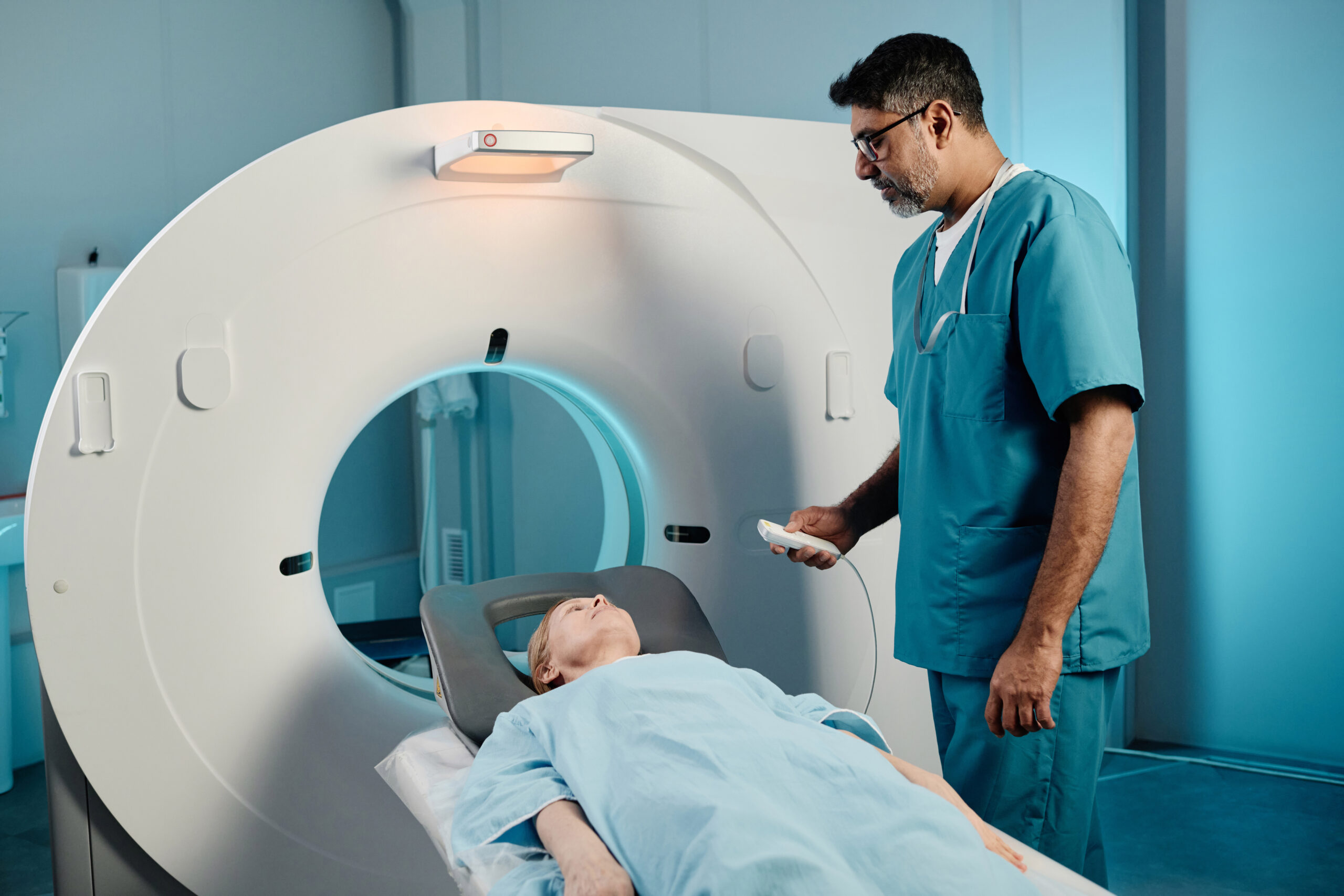
          • You lie on a cushioned table that slides into a PET scanner.
          • The scanner detects the tracer and creates detailed images of your body’s metabolic activity.
          • The scan usually takes 30–60 minutes.
        4. Post-Scan
          • You can resume normal activities immediately.
          • Drink plenty of water to help flush the tracer from your body.

        PET scans are painless and generally safe, with minimal radiation exposure.

        What Can a PET Scan Detect?

        PET scans are versatile and can detect a variety of conditions:

        • Cancer Detection and Monitoring
          • Identifies tumors and metastases.
          • Monitors treatment effectiveness.
        • Heart Conditions
          • Detects areas of reduced blood flow.
          • Assesses damage after a heart attack.
        • Brain Disorders
          • Detects Alzheimer’s disease, epilepsy, and dementia.
          • Helps plan neurological treatments.
        • Other Uses
          • Detects infections and inflammation.

        When Do You Need a PET Scan?
        A PET scan may be recommended if you have:

        Doctors often use PET scans alongside other tests like CT or MRI to get a complete picture of your health.

        • Persistent unexplained pain or symptoms.
        • A history of cancer for diagnosis, staging, or monitoring.
        • Heart problems require assessment of blood flow or damage.
        • Neurological symptoms like seizures or memory loss.
        • Unexplained infections or inflammatory conditions.

        Benefits of a PET Scan

        • Early detection: Identifies diseases before structural changes occur.
        • Non-invasive: No surgery or complicated procedures needed.
        • Accurate: Provides detailed metabolic information.

        Treatment planning: Helps doctors choose the best therapy.

        Preparing for a PET Scan

        • Fasting: Usually 4–6 hours before the scan.
        • Medications: Inform your doctor about any drugs you are taking.
        • Hydration: Drink water before and after the scan.

        Frequently Asked Questions (FAQs)

        1. What is the difference between a PET scan and a CT scan?

         CT shows structure; PET shows function and metabolic activity.

        2. Is a PET scan safe?

         Yes, it involves a small amount of radiation, which is generally safe.

        3. How long does a PET scan take?

         Typically 30 to 60 minutes, plus preparation time.

        4. Can PET scans detect cancer early?

        Yes, PET scans can identify cellular changes before tumors become visible on other scans.

        5. Will I feel pain during the scan?

         No, the scan is painless; you only feel a small injection.

        Conclusion

        A PET scan is a valuable diagnostic tool that goes beyond structural imaging to reveal how your body is functioning at a cellular level. From detecting cancer and heart disease to neurological conditions, it provides critical insights that guide treatment decisions.

        If you or a loved one may benefit from a PET scan, consult your doctor to discuss whether it’s the right choice. Early detection can make a life-saving difference.

        At Ace Imaging Centre, we combine advanced technology, expert radiologists, and a patient first approach to deliver accurate and safe imaging results that help your doctor plan the best treatment for you.

        Name: Ace Imaging Center

        Address: Bezolla Complex, 102, VN Purav Marg, Swastik Park, Chembur, Mumbai, Maharashtra 400071

        contact: 081693 60334
        🌐 https://aceimaging.in

          Book an appointment

          Fill form and get discount. Check Offers