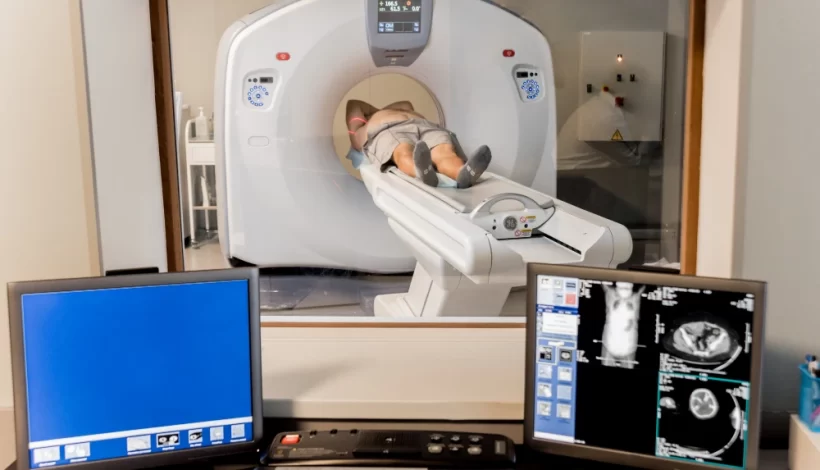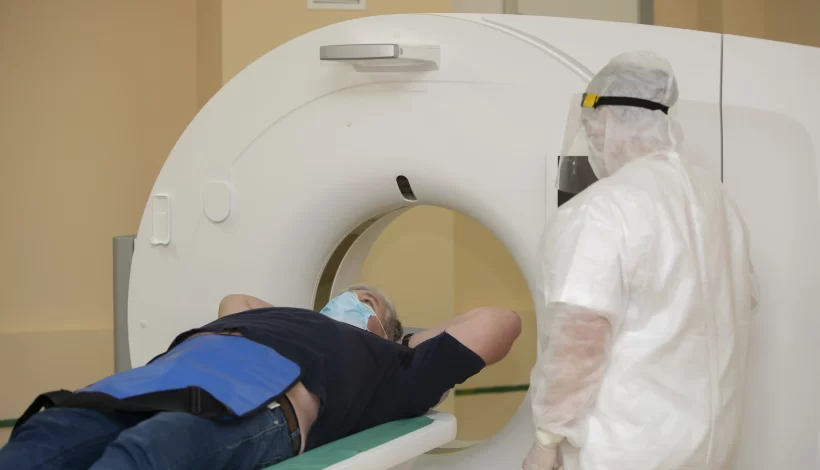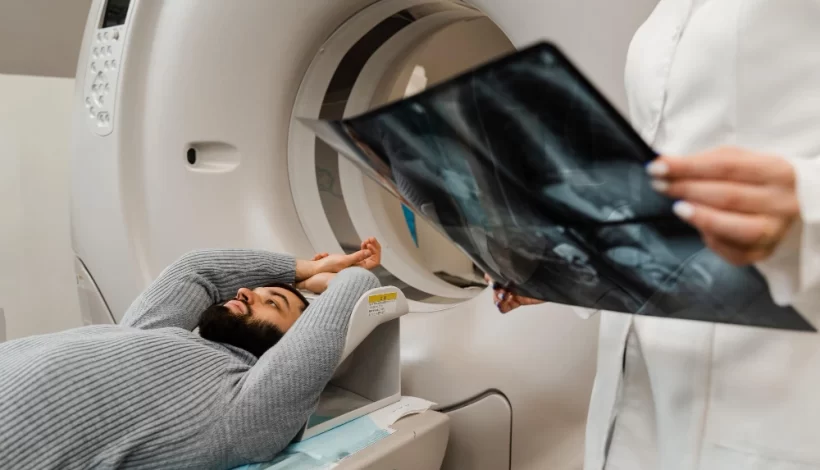
CT Scan in Mumbai

CT Scan in Mumbai: Everything You Need to Know Before You Book

Introduction

When it comes to diagnostic imaging, a CT scan in Mumbai is one of the most commonly requested tests for patients. Whether you’re dealing with unexplained pain, a serious injury, or a suspected internal condition, a CT (computed tomography) scan provides detailed images of your body’s organs, bones, and soft tissues. But with so many options for CT scans in Mumbai, how do you choose the right imaging centre that guarantees accurate, timely results in a comfortable environment?

In this guide, we’ll walk you through everything you need to know about CT scans in Mumbai—from the procedure itself to tips on selecting the best imaging centre. By the end of this article, you’ll be well-equipped to make informed decisions regarding your health and imaging needs.

CT Scan in Mumbai

What is a CT Scan?

A CT scan, also known as a CAT scan, is a non-invasive imaging procedure that uses specialized X-ray equipment and computer technology to produce cross-sectional images of the body. These images can show the structure and abnormalities of bones, organs, and soft tissues in great detail, allowing doctors to make accurate diagnoses.

CT scans are often used to detect conditions such as:

  • Tumours or growths
  • Injuries or fractures
  • Infections or abscesses
  • Internal bleeding
  • Heart disease
  • Strokes
  • Lung diseases

The detailed images produced by a CT scan help doctors assess the severity of conditions and plan the most effective course of treatment.

Why Do You Need a CT Scan in Mumbai?

Mumbai, being one of India’s largest metropolitan cities, is home to numerous healthcare facilities and imaging centres. The demand for diagnostic imaging procedures like CT scans is rising due to increasing health awareness, advanced medical technologies, and the growing need for precise diagnostics.

Some of the key reasons why a doctor may recommend a CT scan in Mumbai include:

  • Chronic Pain: If you’ve been suffering from unexplained pain, particularly in areas like the abdomen, chest, or head, a CT scan may help pinpoint the cause.
  • Injury Assessment: After an accident or injury, a CT scan can help identify bone fractures, internal bleeding, or organ damage.
  • Cancer Detection: CT scans are commonly used for detecting, staging, and monitoring the progression of various types of cancers.
  • Heart and Lung Diseases: A CT scan can reveal problems with the heart, lungs, and blood vessels, such as blockages or infections.
  • Brain Disorders: If you’re experiencing headaches, seizures, or unexplained neurological symptoms, a CT scan can provide essential information about your brain’s health.

How Does a CT Scan Work?

The process of a CT scan in Mumbai typically involves the following steps:

  1. Preparation: You may be asked to change into a hospital gown and remove any metal objects (such as jewelry or dentures) that could interfere with the scan.
  2. Positioning: You will be asked to lie down on a motorized table, which will move you into the CT scanner—a large, doughnut-shaped machine.
  3. Imaging: The scanner will rotate around your body, taking a series of X-ray images from multiple angles. These images are then processed by a computer to create detailed cross-sectional images of the body.
  4. Contrast Materials: In some cases, a contrast dye may be injected or ingested to enhance the images, particularly when examining blood vessels or soft tissues.
  5. Completion: The entire process typically takes about 10-30 minutes. Once completed, the images are sent to a radiologist for interpretation, and your doctor will discuss the results with you.

CT scans are generally painless and quick, but it’s important to remain as still as possible during the procedure to ensure clear images.

Benefits of a CT Scan

A CT scan in Mumbai offers several advantages over other diagnostic imaging methods:

1. High Precision and Detail

CT scans provide far more detailed images than regular X-rays, which allows doctors to detect conditions at earlier stages when treatment is more effective.

2. Speed

CT scans are typically fast, often taking less than 15 minutes for the procedure. This makes them ideal for emergency situations where time is of the essence.

3. Non-Invasive

Since CT scans are non-invasive, they don’t require surgery or other invasive techniques to gain a comprehensive view of your body’s internal structures.

4. Guiding Treatments

CT scans are not just used for diagnostics—they are also helpful in guiding treatments, including biopsies, surgeries, and the placement of radiation therapy for cancer patients.

5. Versatility

CT scans can examine nearly every part of the body, from the brain and heart to the abdomen and lungs. This versatility makes it one of the most commonly used imaging techniques in the medical field.

Choosing the Best Imaging Centre for a CT Scan in Mumbai

When it comes to CT scans in Mumbai, selecting the right imaging centre is crucial for ensuring accurate results and a comfortable experience. Here’s a breakdown of what to look for:

1. Accreditation and Certification

Always choose an imaging centre that is accredited by recognized medical bodies such as the National Accreditation Board for Testing and Calibration Laboratories (NABL) or the Joint Commission International (JCI). Accreditation ensures that the facility meets rigorous standards of quality, safety, and accuracy.

2. State-of-the-Art Equipment

The quality of your CT scan depends heavily on the technology used. Look for an imaging centre that uses the latest, high-resolution CT scanners. These machines deliver clearer images and reduce the need for repeat scans.

3. Expert Radiologists

Experienced radiologists who specialize in interpreting CT scan results are key to providing accurate diagnoses. Choose a centre with highly qualified radiologists with expertise in various fields, including neurology, cardiology, and oncology.

4. Patient Comfort

A good imaging centre should prioritize your comfort. Look for centres that provide clear instructions, minimize waiting times, and offer a soothing environment to reduce any anxiety you may feel.

5. Affordable Pricing and Transparency

While medical imaging can be expensive, a good centre should offer clear and transparent pricing with no hidden fees. Some centres may also offer packages or discounts for multiple scans or family members.

6. Timely Reports

Time is often of the essence when it comes to CT scans, especially if you’re dealing with a medical emergency. Choose an imaging centre that offers quick turnaround times for reports, ideally within 24 to 48 hours.

7. Positive Reviews and Reputation

Patient reviews can provide invaluable insight into the quality of service at an imaging centre. Look for centres with positive reviews that highlight professionalism, accuracy, and customer care.

Why Ace Imaging Centre is the Best Choice for a CT Scan in Mumbai

At Ace Imaging Centre, we are committed to offering the highest quality CT scans in Mumbai. Here’s why we stand out:

1. Cutting-Edge Technology

We utilize the latest CT scan machines to provide precise, high-definition images for accurate diagnosis. Our equipment ensures that your scan is performed with the utmost efficiency and safety.

2. Expert Radiologists

Our team of experienced radiologists has years of expertise in interpreting CT scans across various specialties, including neurology, cardiology, and oncology. You can trust that your results will be accurate and comprehensive.

3. Patient-Centered Care

We understand that medical procedures can be stressful, which is why we prioritize your comfort and care. From our friendly staff to our welcoming facilities, we aim to make your experience as smooth and stress-free as possible.

4. Affordable and Transparent Pricing

At Ace Imaging Centre, we offer competitive pricing for all our services, including CT scans. We believe in transparency, with no hidden charges. We are committed to providing high-quality diagnostic services without breaking the bank.

5. Fast and Reliable Reports

We know how important timely results are for your peace of mind and treatment planning. That’s why we guarantee fast report turnaround times, usually within 24-48 hours.

Conclusion

Whether you’re in need of a routine diagnostic scan or seeking answers for a serious health issue, choosing the right place for a CT scan in Mumbai is crucial for accurate results and peace of mind. At Ace Imaging Centre, we offer top-tier technology, expert radiologists, and a patient-focused approach to ensure you receive the best possible care.

Don’t compromise on your health trust Ace Imaging Centre for your next CT scan in Mumbai. Contact us today to schedule an appointment and take the first step toward better health.
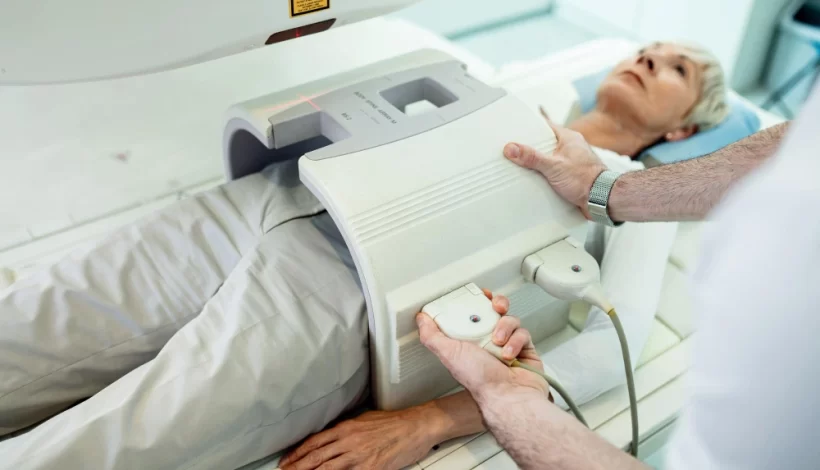
    Book an appointment

    Fill form and get discount. Check Offers

    Is CT scan done empty stomach

    Is CT Scan Done Empty Stomach? Everything You Need to Know

    Introduction

    When patients are scheduled for a CT scan, one of the most common questions they ask is: “Is CT scan done empty stomach?” The answer depends on the type of CT scan being performed, whether contrast dye is used, and the area of the body being examined.

    At Ace Imaging Centre, we believe patients feel more comfortable and confident when they are well-informed. This guide will explain in detail when fasting is necessary for a CT scan, what happens if you eat before the scan, how contrast material plays a role, and how to prepare for your appointment.

    Is CT scan done empty stomach

    What Is a CT Scan?

    A CT (Computed Tomography) scan is a diagnostic imaging test that combines X-rays and computer technology to produce detailed cross-sectional images of the body. It helps doctors detect:

    • Tumors and cancers
    • Bone fractures
    • Blood vessel blockages
    • Internal injuries
    • Infections or inflammation
    • Neurological disorders

    CT scans can be performed with or without contrast dye (oral, intravenous, or rectal), and preparation instructions may differ accordingly.

    Is CT Scan Done Empty Stomach?

    The requirement for fasting depends on the type of CT scan:

    Type of CT ScanFasting Required?Reason
    CT Scan without ContrastNoRegular CT scans without dye usually don’t need fasting.
    CT Scan with IV ContrastYes (4–6 hours)Fasting reduces the risk of nausea or vomiting due to contrast injection.
    CT Abdomen/Pelvis with Oral ContrastYes (6 hours)An empty stomach ensures better absorption and clearer images.
    CT AngiographyYes (4–6 hours)Helps improve clarity of blood vessel imaging.
    Emergency CT ScanDepends on situationIn emergencies, CT can be done without fasting if life-threatening.

    Answer:
    Yes, some CT scans need to be done on an empty stomach, especially those involving contrast dye. However, many routine scans can be performed without fasting.

    Why Is Fasting Required for a CT Scan?

    Doctors may ask you to fast before a CT scan for the following reasons:

    1. Reduce Risk of Nausea:
      Contrast dye can sometimes cause nausea. Having food in the stomach increases the risk of vomiting during or after the scan.
    2. Prevent Aspiration:
      If vomiting occurs, fasting lowers the risk of inhaling stomach contents into the lungs.
    3. Improve Image Clarity:
      An empty stomach, especially in abdominal scans, ensures that the stomach and intestines do not interfere with the visualization of organs.
    4. Better Contrast Absorption:
      Oral contrast works best when the stomach and intestines are empty, giving radiologists clear images.

    What Happens If You Eat Before a CT Scan?

    If you mistakenly eat before a scan where fasting is required, it may lead to:

    • Rescheduling of the scan
    • Inconclusive or unclear images
    • Increased risk of nausea or vomiting after contrast injection

    Tip: Always inform your radiology team if you have eaten before the test. In some cases, the scan can still proceed if the situation is urgent.

    How Many Hours of Fasting Are Required?

    The standard fasting time before a CT scan with contrast is:

    • 4–6 hours before the procedure
    • Only small sips of water are usually allowed
    • Diabetic patients may receive special instructions regarding their medications and insulin

    CT Scan Preparation: Step-by-Step

    Here’s what you can expect when preparing for a CT scan:

    1. Before the Scan

    • Follow your doctor’s instructions on fasting.
    • Remove metallic objects (jewelry, watches, belts).
    • Inform your doctor about:
      • Allergies to contrast dye
      • Pregnancy or possibility of pregnancy
      • Kidney disease or diabetes
      • Current medications

    2. During the Scan

    • You will lie on a motorized table.
    • The table slides into the CT machine.
    • If contrast is used:
      • IV contrast may cause a warm sensation or metallic taste.
      • Oral contrast is usually given 1–2 hours before the scan.
    • The scan usually takes 15–30 minutes.

    3. After the Scan

    • You may resume normal diet if no sedation is used.
    • Drink plenty of water to flush out contrast dye.
    • If you feel allergic reactions (rash, itching, shortness of breath), inform the radiologist immediately.

    Special Considerations

    1. For Diabetic Patients

    • Some medications (like metformin) may interact with contrast dye.
    • Patients are advised to stop metformin 48 hours after contrast scans.

    2. For Kidney Patients

    • Contrast dye may stress the kidneys. Blood tests (serum creatinine) may be required before the scan.

    3. For Pregnant Women

    • CT scans involve radiation. Unless absolutely necessary, alternatives like ultrasound or MRI may be recommended.

    4. For Children

    • Children may need fasting, depending on the type of CT scan.
    • In some cases, sedation is given to help them stay still.

    Frequently Asked Questions (FAQs)

    1. Is CT scan done empty stomach always?

    No. Only CT scans involving contrast dye usually require fasting. Routine scans without contrast can often be done without fasting.

    2. Can I drink water before a CT scan?

    Yes. In most cases, small sips of water are allowed even during fasting.

    3. How long should I fast before a CT scan?

    Usually 4–6 hours. Your radiology team will give exact instructions.

    4. What foods should I avoid before a CT scan?

    Avoid solid foods, milk, coffee, or juice. Only clear fluids like water may be allowed.

    5. What happens if I don’t fast before a contrast CT scan?

    The scan may need to be rescheduled, or the images may not be clear enough for accurate diagnosis.

    Tips for a Smooth CT Scan Experience

    • Arrive early to complete paperwork and preparation.
    • Wear loose clothing for comfort.
    • Bring medical reports and past imaging results.
    • Stay calm and relaxed—the procedure is painless and quick.
    • Hydrate well after the scan to flush out contrast dye.

    Key Takeaways

    • Is CT scan done empty stomach?
      • Without contrast: Usually no fasting needed.
      • With contrast (oral or IV): Fasting 4–6 hours is required.
    • Always follow your doctor’s instructions for the specific type of scan you are undergoing.
    • Fasting ensures better safety, clearer imaging, and reduced complications.
    • If in doubt, contact your radiology centre before the scan.

    Why Choose Ace Imaging Centre?

    At Ace Imaging Centre, we provide:

    • State-of-the-art CT scan technology for accurate diagnosis
    • Patient-friendly guidance on fasting and preparation
    • Experienced radiologists and technicians ensuring safety and comfort
    • 24/7 support for emergency cases

    We ensure every patient feels confident and informed before their scan. If you have questions like “Is CT scan done empty stomach?”, our expert team is here to guide you.

    Conclusion

    The answer to “Is CT scan done empty stomach?” depends largely on whether contrast dye is involved. For scans without contrast, fasting may not be necessary. However, for abdominal scans, angiography, or any test involving contrast dye, fasting for 4–6 hours is usually required.

    At Ace Imaging Centre, we recommend that patients always follow their doctor’s preparation instructions for best results. Being informed about your scan helps reduce anxiety and ensures accurate, safe imaging.

      Book an appointment

      Fill form and get discount. Check Offers

      Top 5 Myths About MRI Scans

      Top 5 Myths About MRI Scans: Debunking Common Misconceptions

      Introduction

      Magnetic Resonance Imaging (MRI) is one of the most advanced diagnostic imaging tools used in modern medicine. Despite its accuracy and safety, many patients still feel anxious about undergoing an MRI scan due to widespread myths and misconceptions. These myths often prevent people from seeking timely medical help, leading to unnecessary delays in diagnosis and treatment.

      In this blog, we will debunk the Top 5 Myths About MRI Scans with clear explanations to help patients feel confident and informed before their procedure.

      What is an MRI Scan?

      An MRI scan uses a powerful magnetic field, radio waves, and a computer to create detailed images of the inside of the body. Unlike X-rays and CT scans, MRI does not use ionizing radiation, making it a safe and effective tool for diagnosing a wide range of conditions.

      MRI is commonly used for:

      • Brain and spinal cord imaging
      • Joint, ligament, and soft tissue evaluation
      • Detecting tumors and cancers
      • Heart and blood vessel imaging
      • Abdominal and pelvic organ scans

      Now, let’s break down the Top 5 Myths About MRI Scans and separate fact from fiction.

      Myth 1: MRI Scans Are Unsafe Because of Radiation

      One of the most common misconceptions is that MRI scans expose patients to harmful radiation, similar to X-rays or CT scans.

      The Truth:

      • MRI does not use radiation at all. Instead, it relies on magnetic fields and radiofrequency waves.
      • The magnetic field temporarily realigns hydrogen atoms in the body. When these atoms return to their normal position, they emit signals that are captured to create images.
      • Unlike CT scans, which use a small dose of ionizing radiation, MRI is completely free of radiation exposure.

      Why This Matters:

      This makes MRI scans particularly safe for patients of all ages, including children and pregnant women (with certain precautions).

      Myth 2: MRI Scans Are Only for Serious Conditions

      Some patients believe that an MRI scan is only prescribed for severe illnesses like cancer or brain tumors.

      The Truth:

      • MRI scans are versatile and can be used for both serious and routine medical evaluations.
      • Doctors often recommend MRI for:
        • Back pain and slipped disc
        • Sports injuries (ligaments, tendons, cartilage)
        • Chronic headaches or migraines
        • Knee or shoulder injuries
        • Abdominal pain and pelvic conditions

      Why This Matters:

      Even if you are not dealing with a life-threatening condition, your doctor may order an MRI scan to get a clearer view of soft tissues, which cannot be seen as well with X-rays or ultrasounds.

      Myth 3: MRI Scans Are Painful and Dangerous

      Many patients avoid MRI scans because they fear it might hurt or cause side effects.

      The Truth:

      • An MRI scan is completely painless. You won’t feel the magnetic field or radio waves.
      • The only discomfort comes from:
        • Staying still during the scan (usually 15–60 minutes)
        • Loud noises from the machine (earplugs or headphones are provided)
      • MRI is non-invasive and does not cause long-term side effects.

      Safety Considerations:

      • Patients with certain implants (such as pacemakers, cochlear implants, or metal fragments) must inform their doctor beforehand, as the magnetic field may interfere.
      • Otherwise, MRI is one of the safest diagnostic imaging procedures available.

      Myth 4: People with Claustrophobia Cannot Have an MRI

      Claustrophobia, or fear of enclosed spaces, is a common concern when it comes to MRI scans. Some patients believe they cannot undergo MRI if they have anxiety in confined spaces.

      The Truth:

      • While MRI scanners are enclosed tubes, there are solutions for patients with claustrophobia:
        • Open MRI machines: Wider and less enclosed, designed for comfort.
        • Sedation options: Mild sedatives may be used to help patients relax.
        • Music or communication systems: Many centers provide headphones with music or allow constant communication with the technologist.

      Why This Matters:

      Modern MRI technology is patient-friendly. If you are claustrophobic, you can still undergo MRI safely with the right support.

      Myth 5: MRI Scans Take Too Long and Are Inconvenient

      Some people think an MRI scan requires hours of preparation and scanning, making it too inconvenient for their schedule.

      The Truth:

      • A typical MRI scan takes 15 to 60 minutes, depending on the body part being imaged.
      • Preparation is minimal:
        • Remove metallic objects (jewelry, watches, belts).
        • Change into a hospital gown if required.
        • Answer safety questions about implants or medical devices.
      • Patients can usually return to normal activities immediately after the scan.

      Why This Matters:

      MRI scans are quick, efficient, and non-invasive. They provide valuable diagnostic information that can save time in long-term treatment planning.

      Summary Table: Myths vs. Facts About MRI Scans

      MythFact
      MRI uses harmful radiationMRI uses magnetic fields, not radiation
      MRI is only for serious diseasesMRI is used for both routine and critical conditions
      MRI is painful and riskyMRI is safe, painless, and non-invasive
      Claustrophobic patients cannot undergo MRIOptions like open MRI and sedation are available
      MRI takes too long and is inconvenientMost MRI scans take only 15–60 minutes

      Benefits of MRI Scans Over Other Imaging Techniques

      To better understand why MRI is often recommended, here’s a quick comparison:

      Imaging MethodRadiation ExposureBest ForLimitations
      X-rayYesBones, fracturesLimited soft tissue detail
      CT ScanYes (low dose)Trauma, chest/abdominal imagingRadiation exposure
      UltrasoundNoPregnancy, abdominal organsLimited in deep tissues
      MRINoBrain, spine, joints, soft tissues, tumorsLonger scan time, not suitable for patients with certain implants

      Tips for Patients Before an MRI Scan

      To make your MRI experience smoother:

      • Inform your doctor if you have implants, pacemakers, or metal fragments.
      • Avoid wearing metallic objects (jewelry, zippers, belts).
      • Stay relaxed – MRI scans are safe and painless.
      • Ask about sedation or open MRI if you have claustrophobia.
      • Follow any fasting instructions if contrast dye is required.

      Why Choose Ace Imaging Centre for MRI Scans?

      At Ace Imaging Centre, we understand that patients may feel anxious about MRI scans due to common myths and misconceptions. Our facility is designed to ensure:

      • State-of-the-art MRI technology for accurate results
      • Patient comfort with open MRI and relaxation options
      • Experienced radiologists and technicians who guide you at every step
      • Quick reporting and diagnosis to help your doctor plan treatment faster

      When you choose Ace Imaging Centre, you are choosing safety, accuracy, and care.

      Final Thoughts

      MRI scans are one of the safest and most reliable diagnostic tools in modern medicine. Unfortunately, myths about MRI scans often create unnecessary fear among patients. By understanding the facts, you can approach your MRI appointment with confidence.

      Remember:

      • MRI does not use radiation.
      • It is safe, painless, and effective.
      • Claustrophobia and convenience concerns can be easily managed.

      At Ace Imaging Centre, we are committed to making your MRI experience stress-free and accurate.

        Book an appointment

        Fill form and get discount. Check Offers

        DOTA Scan vs PET Scan

        DOTA Scan vs PET Scan – Complete Guide for Patients

        Introduction

        Medical imaging has revolutionised the way doctors diagnose and treat diseases. Two commonly discussed scans are the DOTA scan and the PET scan. While both involve advanced nuclear medicine techniques, they are not the same. Understanding the difference between a DOTA scan vs PET scan can help patients feel informed and confident before undergoing either procedure.

        This guide explains in detail what each scan is, how they work, when they are recommended, and their benefits, so you can make informed healthcare decisions with your doctor.

        What Is a PET Scan?

        PET scan stands for Positron Emission Tomography scan. It is an advanced imaging test that uses a small amount of radioactive tracer to detect abnormalities in the body at the cellular level.

        • Purpose: Detect metabolic changes in tissues before structural changes occur.
        • Common Uses:
          • Cancer detection, staging, and treatment monitoring
          • Heart disease evaluation
          • Brain disorders (e.g., Alzheimer’s, epilepsy)
        • Tracer Used: Commonly FDG (Fluorodeoxyglucose)

        How It Works:

        1. A radioactive tracer is injected into the bloodstream.
        2. The tracer travels to target organs or cells.
        3. The PET scanner detects gamma rays emitted from the tracer, creating detailed images of body function.

        What Is a DOTA Scan?

        A DOTA scan is a specialised type of PET scan used primarily to detect neuroendocrine tumours (NETs).

        • Full Form: DOTA refers to DOTATATE or DOTATOC, which are molecules that bind to somatostatin receptors on certain tumour cells.
        • Purpose: Specifically targets tumours with somatostatin receptors.
        • Tracer Used: Gallium-68 DOTATATE or Gallium-68 DOTATOC.

        How It Works:

        1. A radiolabelled DOTA compound is injected into the patient.
        2. It binds to somatostatin receptors present on certain tumours.
        3. PET/CT scanning captures high-contrast images showing tumour locations and spread.

        DOTA Scan vs PET Scan – Key Differences

        While both scans use PET technology, there are important differences in the tracer used, the target, and the clinical applications.

        FeaturePET Scan (FDG)DOTA Scan (Ga-68 DOTATATE)
        Main PurposeDetects abnormal metabolism in various tissuesDetects neuroendocrine tumours with somatostatin receptors
        Tracer UsedFDG (fluorodeoxyglucose)Ga-68 DOTATATE or DOTATOC
        Best ForCancer, brain, heart diseasesNeuroendocrine tumours (NETs)
        SpecificityGeneral metabolic imagingHighly specific to NETs
        PreparationFasting 4–6 hours beforeSimilar fasting; sometimes additional instructions for NET patients
        Scan Time20–45 minutes20–45 minutes

        When Doctors Recommend a PET Scan

        A PET scan may be recommended for:

        • Detecting cancer early
        • Determining the extent (stage) of cancer
        • Checking if treatment is working
        • Evaluating brain disorders like Alzheimer’s
        • Assessing heart muscle damage after a heart attack

        When Doctors Recommend a DOTA Scan

        A DOTA scan is usually ordered for:

        • Diagnosing suspected neuroendocrine tumours
        • Determining tumour spread (metastasis)
        • Evaluating treatment response in NETs
        • Locating small or hidden NETs not seen on other scans

        Procedure – What Patients Can Expect

        PET Scan Procedure

        1. Fasting for 4–6 hours.
        2. Injection of FDG tracer.
        3. Rest period to allow tracer distribution.
        4. Lying still inside the PET/CT scanner while images are taken.

        DOTA Scan Procedure

        1. Similar fasting guidelines.
        2. Injection of Ga-68 DOTATATE tracer.
        3. Waiting period (usually 45–60 minutes) for tracer uptake.
        4. PET/CT scanning.

        Advantages of PET Scan

        • Detects disease at an early stage.
        • Can assess how well treatment is working.
        • Useful in multiple medical fields (oncology, neurology, cardiology).

        Advantages of DOTA Scan

        • High accuracy for detecting NETs.
        • Can find tumours too small for conventional imaging.
        • Guides targeted therapy decisions.

        Limitations & Risks

        PET Scan Limitations:

        • False positives if inflammation is present.
        • Limited use for tumours with low glucose metabolism.

        DOTA Scan Limitations:

        • Only useful for tumours with somatostatin receptors.
        • Not for all cancer types.

        Risks for Both:

        • Small exposure to radiation.
        • Rare allergic reactions to tracer.
        • Mild discomfort at injection site.

        Preparation Tips for Patients

        • Follow fasting instructions carefully.
        • Avoid strenuous exercise 24 hours before the scan.
        • Inform your doctor about all medications and supplements.
        • For diabetic patients: Special scheduling may be required.

        DOTA Scan vs PET Scan – Choosing the Right Test

        The decision depends on:

        • Type of disease suspected
        • Tumour biology
        • Doctor’s assessment based on medical history and prior tests

        Example:
        If a doctor suspects lung cancer, a standard FDG PET scan may be chosen.
        If a patient has symptoms suggestive of a neuroendocrine tumour, a DOTA scan is more accurate.

        Cost & Availability

        • PET Scan: More widely available; cost varies by hospital and region.
        • DOTA Scan: Available in specialised imaging centres like Ace Imaging Centre; cost may be higher due to tracer specificity.

        Why Choose Ace Imaging Centre for PET or DOTA Scans?

        At Ace Imaging Centre, patients benefit from:

        • State-of-the-art PET/CT scanners
        • Experienced nuclear medicine specialists
        • Accurate diagnosis for better treatment planning
        • Comfortable and patient-friendly environment

        Our team ensures every scan is performed with utmost care, accuracy, and safety.

        Frequently Asked Questions

        Q1: Is a DOTA scan the same as a PET scan?
        No. A DOTA scan is a type of PET scan using a specific tracer for neuroendocrine tumours.

        Q2: Which is more accurate – DOTA scan or PET scan?
        Accuracy depends on the disease. For NETs, DOTA scans are superior. For general cancers, FDG PET scans are preferred.

        Q3: Is the radiation exposure dangerous?
        Both involve low radiation doses, generally considered safe under medical supervision.

        Q4: Can I eat before the scan?
        Fasting for 4–6 hours is usually required for both scans.

        Q5: How long do results take?
        Results are typically available within 24–48 hours.

        Conclusion

        While both scans use PET imaging technology, the DOTA scan vs PET scan debate is really about the right tool for the right job. A standard PET scan is versatile and used across many diseases, while a DOTA scan is highly specific for neuroendocrine tumours.

        At Ace Imaging Centre, we ensure patients get the correct scan based on their unique condition, leading to more accurate diagnoses and better treatment outcomes.

          Book an appointment

          Fill form and get discount. Check Offers