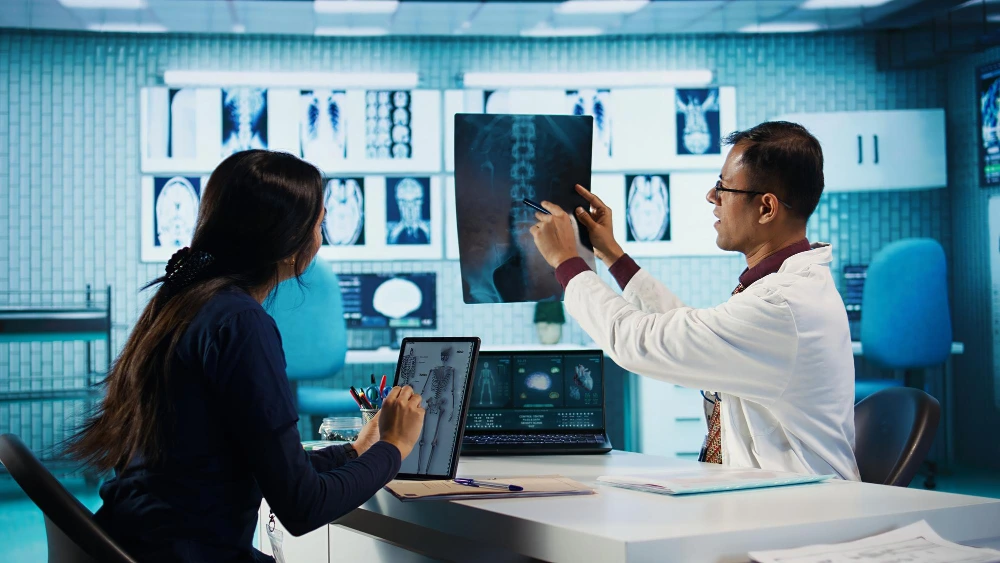
Bone Pain After Prostate Cancer: Can a PSMA PET Scan Detect Spread?

Bone pain after prostate cancer treatment can be worrying. Many patients assume it is due to ageing, weakness, or previous therapies. However, in some cases, persistent or worsening bone pain may indicate that the cancer has spread to the bones.

If you or a loved one is experiencing bone pain after prostate cancer, early evaluation is crucial. One of the most advanced diagnostic tools available today is the PSMA PET scan, which helps detect even small areas of cancer spread.

Let’s understand what this means and when you should consider advanced imaging.

What Does Bone Pain After Prostate Cancer Mean?

After successful treatment, many prostate cancer patients remain cancer-free for years. However, in certain cases, the cancer may return (recurrence) or spread (metastasis).

The bones are one of the most common sites where prostate cancer spreads.

Bone pain that may require attention includes:

  • Persistent deep aching pain
  • Pain that worsens at night
  • Pain in the spine, hips, ribs, or pelvis
  • Pain not relieved by usual medication

While not every bone pain indicates cancer spread, it should never be ignored—especially if PSA levels are rising.

Why Does Prostate Cancer Spread to Bones?

Prostate cancer cells can travel through the bloodstream or lymphatic system. Bones provide a favorable environment for these cancer cells to grow.

Common areas affected include:

  • Spine
  • Pelvis
  • Ribs
  • Femur (thigh bone)

Early detection is essential because bone metastasis can lead to:

Spinal cord compression

Fractures

Severe pain

Reduced mobility

2. Disclose Any Medical Implants or Devices

If you have any of the following, it’s vital to inform the MRI staff:

  • Pacemakers or cardiac defibrillators
  • Cochlear (ear) implants
  • Neurostimulators or spinal cord stimulators
  • Insulin or drug infusion pumps
  • Prosthetic joints or metal rods
  • Vascular stents, aneurysm clips, or coils
  • Programmable shunts
  • Metallic dental implants or braces
  • Intrauterine devices (IUDs)
  • Surgical clips or staples
  • Cosmetic implants or metal-infused tattoos
  • Metal shrapnel or bullet fragments

Many modern implants are MRI-safe under certain conditions. However, the radiology team must verify the safety guidelines for each specific device before proceeding.

When Should You Be Concerned?

You should consult your doctor if:

  • Your PSA levels are rising after treatment
  • Bone pain persists for more than 2–3 weeks
  • You experience sudden severe back pain
  • There is weakness or numbness in legs

At this stage, advanced imaging like a PSMA PET scan becomes extremely important.

What Is a PSMA PET Scan?

A PSMA PET scan is a highly sensitive imaging test used specifically for detecting prostate cancer cells.

PSMA (Prostate-Specific Membrane Antigen) is a protein found in high amounts on prostate cancer cells. During the scan:

  1. A small radioactive tracer targeting PSMA is injected.
  2. The tracer attaches to prostate cancer cells.
  3. A PET-CT scanner detects even tiny cancer deposits anywhere in the body.

This makes it far more accurate than conventional bone scans or CT scanshave a slightly increased risk of rare complications related to contrast, so safety measures are important.

Can a PSMA PET Scan Detect Bone Metastasis Early?

Yes and this is its biggest advantage.

A PSMA PET scan can:

  • Detect very small bone metastases
  • Identify spread even when PSA levels are low
  • Detect recurrence earlier than traditional imaging
  • Provide whole-body evaluation in a single scan

This helps doctors:

  • Plan targeted treatment
  • Start therapy early
  • Avoid unnecessary treatments
  • Improve overall survival outcomes

Benefits of Early Detection of Cancer Spread

Detecting bone metastasis early can:

  • Reduce complications
  • Prevent fractures
  • Improve pain management
  • Help choose appropriate hormonal or targeted therapy
  • Improve quality of life

The earlier the spread is detected, the better the treatment planning.

Why Choose Ace Imaging for PSMA PET Scan?

When evaluating bone pain after prostate cancer, precision matters.

Ace Imaging offers:

  • Advanced PSMA PET-CT technology
  • High-resolution whole-body imaging
  • Experienced nuclear medicine specialists
  • Accurate and timely reporting
  • Patient-friendly and safe scanning protocols

Early diagnosis can make a significant difference in treatment outcomes.

Frequently Asked Questions (FAQs)

No. Bone pain can have many causes. However, in prostate cancer patients, persistent or unexplained pain should be evaluated.

It can be recommended even at low PSA levels if recurrence is suspected. Your doctor will decide based on clinical findings.

It can be recommended even at low PSA levels if recurrence is suspected. Your doctor will decide based on clinical findings.

Yes. PSMA PET scans are more sensitive and detect smaller lesions compared to traditional bone scans.

Yes. It uses a small amount of radioactive tracer and is considered safe when performed under medical supervision.

The entire procedure usually takes 2–3 hours including preparation time.

Conclusion

Bone pain after prostate cancer should never be ignored. While it may be harmless, it could also indicate cancer recurrence or spread to the bones.

A PSMA PET scan provides one of the most accurate methods to detect prostate cancer spread early. Timely imaging allows doctors to start the right treatment at the right time.

If you are experiencing persistent bone pain after prostate cancer treatment, consult your doctor about advanced imaging evaluation.

Contact Information

Name: Ace Imaging
Address: 27A-B, Bezzola Complex, Next To Vijay Sales, V.N. Purav Marg, Opp. Suman Nagar, Chembur East, Mumbai-400071, Maharashtra. India

Phone:
CT – MRI Contact No

+91 22 3521 0500

‎+91 22 3511 2364

‎+91 85912 28199

Pet CT Scan

+91 22 3109 6630

‎+91 22 3100 8978

+91 22 3522 2859

+91 22 3517 5845

+91 81693 60334

Website: https://aceimaging.in

Precautions Before MRI

Precautions Before MRI: What Every Patient Should Know

Introduction

When you’re scheduled for an MRI (Magnetic Resonance Imaging) scan, it’s natural to feel a little anxious or uncertain. Knowing the correct precautions before MRI can ensure both your safety and the success of the procedure. At Ace Imaging Centre, we prioritize your comfort and diagnostic accuracy. This in-depth guide explains the essential steps you need to take before undergoing an MRI scan.

Precautions Before MRI

Why Precautions Before MRI Matter

MRI is a powerful imaging technique that uses strong magnetic fields and radiofrequency (RF) pulses to create detailed images of the body’s internal structures. Unlike X-rays or CT scans, MRI does not use ionising radiation.

However, the strong magnetic field poses risks if proper precautions are not taken:

  • Metallic objects can be pulled or displaced suddenly.
  • Medical implants may malfunction or become unsafe.
  • Image quality can be affected by metallic substances or movement.
  • Thermal injuries can occur due to metal heating.

Therefore, observing proper precautions before MRI is crucial for both your safety and the quality of your diagnostic results.

Key Precautions Before MRI (Pre-Scan Checklist)

Below is a comprehensive checklist of actions you should take and information you should share before your MRI scan.

1. Complete the MRI Safety Questionnaire

Prior to your scan, you’ll be asked to complete a detailed MRI safety screening form. This form is critical and helps identify any risk factors. Typical questions include:

  • Have you had any surgeries, especially those involving implants?
  • Do you have any medical implants or devices?
  • Do you have any metal fragments in your body or eyes?
  • Are you pregnant or could be pregnant?
  • Do you suffer from kidney issues?
  • Do you experience claustrophobia or anxiety?

Honest and accurate answers help ensure that your scan is conducted safely.

2. Disclose Any Medical Implants or Devices

If you have any of the following, it’s vital to inform the MRI staff:

  • Pacemakers or cardiac defibrillators
  • Cochlear (ear) implants
  • Neurostimulators or spinal cord stimulators
  • Insulin or drug infusion pumps
  • Prosthetic joints or metal rods
  • Vascular stents, aneurysm clips, or coils
  • Programmable shunts
  • Metallic dental implants or braces
  • Intrauterine devices (IUDs)
  • Surgical clips or staples
  • Cosmetic implants or metal-infused tattoos
  • Metal shrapnel or bullet fragments

Many modern implants are MRI-safe under certain conditions. However, the radiology team must verify the safety guidelines for each specific device before proceeding.

3. Remove All External Metal Objects

Before entering the MRI room, all metal objects must be removed. These include:

  • Jewelry (earrings, rings, necklaces, piercings)
  • Watches and fitness trackers
  • Hairpins, clips, and decorative items
  • Eyeglasses, dentures, hearing aids
  • Wallets, credit cards, coins, keys
  • Clothing with metal parts (zippers, buttons, underwire bras)
  • Makeup with metallic elements
  • Adhesive patches with foil backing

Pro tip: Wear plain, metal-free cotton clothing to your appointment. If your clothing isn’t suitable, you’ll be asked to change into a hospital gown.

4. Follow Instructions for Contrast Scans

Some MRI scans require a gadolinium-based contrast agent to enhance image quality.

If contrast is required:

  • You may be asked to fast for 4–6 hours before the scan.
  • Hydration is usually encouraged, unless otherwise advised.
  • A blood test may be needed to check your kidney function (especially if you have diabetes, high blood pressure, or known kidney issues).

Patients with impaired kidney function have a slightly increased risk of rare complications related to contrast, so safety measures are important.

5. Arrive Early and Use the Restroom

  • Plan to arrive 20–30 minutes early to complete paperwork and screening.
  • Use the restroom before your scan to avoid discomfort or delays during the procedure.

MRI scans typically last 20 to 60 minutes, and staying still throughout is crucial. Going to the bathroom beforehand ensures a smoother experience.

6. Manage Claustrophobia or Anxiety

If you experience claustrophobia or feel anxious in confined spaces:

  • Inform the MRI centre when booking your appointment.
  • Your doctor may prescribe a mild sedative to help you stay calm.
  • Some centres offer open MRI or wide-bore machines for added comfort.
  • Listening to music or guided breathing may also help you relax.

Important: If sedatives are used, you must bring someone with you to drive you home, as you won’t be allowed to drive afterward.

7. Discuss Pregnancy or Breastfeeding

If You Are Pregnant

  • MRI without contrast is generally safe during pregnancy.
  • However, contrast is usually avoided unless medically necessary.
  • During the first trimester, non-urgent MRI scans may be postponed.

If You Are Breastfeeding

  • Gadolinium contrast passes into breast milk in extremely small amounts.
  • Breastfeeding can usually continue without interruption.
  • If you prefer, you may express and discard milk for 24 hours after the scan.

Always inform your radiologist if you are pregnant or breastfeeding, so they can make the safest decision for you and your baby.

What to Expect During the MRI Scan

Understanding the process helps reduce anxiety. Here’s what typically happens:

StepDescriptionWhat You Should Do
PreparationYou’ll change into a gown and remove metal itemsFollow all staff instructions
PositioningYou’ll lie on a padded table with coils placed near the scan areaTry to stay relaxed and still
CommunicationYou’ll wear earplugs or headphones and get a call buttonUse the button if you feel discomfort
ScanningYou’ll hear loud knocking or buzzing soundsStay still to avoid blurry images
InstructionsYou may be asked to hold your breath for a few secondsFollow breathing cues from the technician
DurationScans last 20–60 minutes depending on the areaKeep calm and still throughout the scan

Special Considerations for Certain Conditions

Claustrophobia and Anxiety

  • Mild to moderate anxiety is common and manageable.
  • Sedation or anti-anxiety medication can help if prearranged.
  • Ask your provider about open MRI options if you’re concerned.

Kidney Disease

  • Patients with kidney problems may require lab tests before receiving contrast.
  • The radiologist will assess risk vs. benefit to determine if contrast is appropriate.

Metal in the Eyes or Body

  • Those with a history of metal work, especially involving the eyes, may require an X-ray to confirm it’s safe to proceed.

Common Myths About MRI Scans

“MRI uses harmful radiation.”

False – MRI uses magnetic fields and radio waves, not radiation like X-rays or CT scans.

“I can’t get an MRI because I have a tattoo.”

Not always true – Most tattoos are safe. Some may cause mild heating or irritation, but risks are very low.

“All metal implants mean I can’t have an MRI.”

Not true – Many implants are MRI-compatible. It’s crucial to check each device’s safety status before scanning.

“I have to stop breastfeeding if I get contrast.”

Not usually – Gadolinium passes into breast milk in tiny amounts. Most professionals agree that breastfeeding can continue safely.

Summary: Your MRI Preparation Checklist

Before heading in for your MRI, remember these key precautions before MRI:

Complete the MRI safety questionnaire accurately
Disclose all implants, surgeries, or foreign bodies
Remove all external metal items
Follow fasting and hydration instructions if required
Arrive early and use the restroom
Inform staff of claustrophobia or anxiety
Tell your doctor if you’re pregnant or breastfeeding
Stay still and follow instructions during the scan

Final Thoughts

At Ace Imaging Centre, we are committed to providing you with a safe and comfortable MRI experience. Following the right precautions before MRI ensures the procedure is effective, safe, and stress-free. Our trained staff are always here to guide you and answer any questions you may have.

If you have upcoming MRI appointments or specific concerns, feel free to contact us. Your health, safety, and peace of mind are our top priorities.

    Book an appointment

    Fill form and get discount. Check Offers

    CT Scan Advantages and Disadvantages

    CT Scan: CT Scan Advantages and Disadvantages You Should Know

    Introduction

    A CT scan (also known as a computed tomography scan) is an advanced medical imaging technique that plays a critical role in diagnosing various health conditions. By combining X-rays with computer processing, it generates highly detailed cross-sectional images of internal organs and structures. While CT scans are invaluable in the world of modern healthcare, they come with both advantages and disadvantages that patients should be aware of.

    In this blog post, we will go in-depth on the CT scan advantages and disadvantages, providing you with the essential information you need to make an informed decision about whether a CT scan is the right choice for your diagnostic needs.

    CT Scan Advantages and Disadvantages

    What is a CT Scan?

    Before diving into the CT scan advantages and disadvantages, it’s important to understand how this procedure works. A CT scan uses X-rays to take multiple images of the body from various angles, which are then processed by a computer to create cross-sectional “slices” of the body. These slices are combined to produce detailed, three-dimensional images.

    CT scans are commonly used to examine:

    • The brain and head
    • The chest and lungs
    • The abdomen and pelvis
    • Bones and joints
    • Blood vessels

    This imaging technique is highly effective for diagnosing conditions such as cancer, trauma, infections, and vascular diseases.

    CT Scan Advantages

    CT scans have several advantages that make them indispensable for both emergency and routine medical evaluations. Below, we will take a closer look at the CT scan advantages and disadvantages in detail.

    1. High-Resolution Images

    One of the primary advantages of a CT scan is its ability to produce high-resolution images that provide detailed views of internal organs, tissues, and bones. This is especially helpful for detecting conditions that may be missed with traditional X-rays or physical exams.

    Examples of conditions detected with CT scans:

    • Tumors (lung, liver, pancreas, brain)
    • Infections (pneumonia, abscesses, or organ infections)
    • Fractures or internal injuries (in the case of trauma)
    • Cardiovascular issues (such as blockages in arteries)

    2. Speed and Efficiency

    One of the most notable CT scan advantages is the speed at which it is performed. A typical CT scan takes just a few minutes to complete, making it ideal for emergency situations where time is critical. In urgent cases such as suspected stroke or trauma, the rapid results can guide treatment decisions quickly and accurately.

    3. Early Detection of Diseases

    CT scans offer the ability to detect health conditions in their early stages, which is crucial for improving treatment outcomes. For example, cancers can be detected before they cause symptoms, which increases the likelihood of successful treatment. Early diagnosis of diseases like cancer, stroke, and cardiovascular issues can significantly improve the prognosis.

    4. Versatility in Diagnosing a Range of Conditions

    A CT scan is incredibly versatile, offering value in diagnosing a wide range of health conditions, including:

    • Cancer diagnosis: Helps identify tumors and determine the stage of cancer.
    • Injuries: Detects fractures, internal bleeding, and organ damage.
    • Abdominal conditions: Identifies issues with organs such as the liver, kidneys, pancreas, and intestines.
    • Heart disease: Can identify blocked arteries and heart conditions.
    • Infections and inflammation: Helps locate abscesses, infections, or areas of inflammation.

    5. Minimally Invasive

    Since a CT scan is non-invasive, there is no need for surgery or physical insertion of medical instruments. The procedure simply requires the patient to lie still on a table while the machine takes images. This minimizes the risk of complications and makes the test much more comfortable compared to invasive procedures like biopsies.

    CT Scan Disadvantages

    While CT scans offer many benefits, there are also disadvantages that should not be overlooked. Below are some key CT scan disadvantages that patients should consider.

    1. Radiation Exposure

    One of the most significant disadvantages of CT scans is the radiation exposure involved. Since CT scans use X-rays, they expose patients to a higher level of ionizing radiation than traditional X-rays. Although the radiation dose in a single scan is generally safe, excessive or repeated exposure to radiation can increase the risk of developing cancer over time.

    Minimizing radiation exposure:

    • Only undergo a CT scan when medically necessary.
    • Inform your doctor if you are pregnant or could be pregnant.
    • Discuss the potential need for repeated scans and ways to minimize unnecessary exposure.

    2. Contrast Material Risks

    Many CT scans require the use of contrast materials (such as iodine-based dyes) to improve the visibility of certain organs or blood vessels. While generally safe, these contrast agents can cause side effects, including:

    • Allergic reactions: Skin rashes, itching, or, in rare cases, severe reactions like anaphylaxis.
    • Kidney issues: Patients with pre-existing kidney conditions are at higher risk of contrast-induced nephropathy (kidney damage).

    If you have any concerns about contrast materials, it’s important to discuss them with your healthcare provider before the procedure.

    3. Limited Soft Tissue Imaging

    Although CT scans offer incredible detail for imaging bones and certain organs, they are not as effective as MRI (Magnetic Resonance Imaging) when it comes to imaging soft tissues such as muscles, ligaments, and the spinal cord. For these reasons, MRI may be recommended in certain cases, particularly for conditions involving soft tissues like muscle tears or brain injuries.

    4. Cost of the Procedure

    Another disadvantage of CT scans is the cost. Compared to a standard X-ray, a CT scan is more expensive, and this cost can vary widely depending on location, type of scan, and facility. In some cases, patients may face high out-of-pocket expenses if they do not have insurance coverage or if the scan is not covered by their plan.

    Average cost of a CT scan:

    • Without insurance: $300 to $3,000, depending on the type of scan and facility.
    • With insurance: Out-of-pocket expenses can range from $50 to $1,500.

    5. Limited Accessibility in Rural Areas

    Although CT scan technology is widely available in urban areas, its accessibility may be limited in rural or remote regions due to the high cost of the machines and the need for specialized staff to operate them. This can delay diagnosis and treatment in emergency situations, where timely intervention is critical.

    When Should You Consider a CT Scan?

    While CT scans offer many advantages and disadvantages, they are often recommended in specific medical scenarios. If you’re wondering whether a CT scan is right for you, here are some common situations where a doctor may recommend this procedure:

    • Trauma: When there is suspected injury to the head, neck, chest, or abdomen.
    • Cancer: To identify tumors, determine cancer stage, and monitor treatment progress.
    • Stroke: To identify the cause and extent of damage in the brain.
    • Infections: To locate and evaluate infections, abscesses, or abscessed organs.
    • Chronic disease monitoring: For conditions like heart disease or cancer that need to be tracked over time.

    As always, discuss any concerns you have about CT scans with your healthcare provider to ensure that the procedure is the right choice for your individual health needs.

    FAQs on CT Scans

    1. Are CT scans safe for children?
    CT scans are generally safe for children but should be used sparingly due to their increased sensitivity to radiation. Pediatric CT scans are often performed with lower radiation doses.

    2. Can a CT scan detect all types of cancer?
    CT scans can detect many types of cancer, especially those that form tumors (such as lung, liver, and brain cancer), but they are not 100% effective in detecting all forms of cancer, especially in early stages.

    3. How often should I get a CT scan?
    The frequency of a CT scan depends on the condition being monitored. Your doctor will determine how often a CT scan is needed based on your medical history and the nature of your illness.

    For more information on CT scan advantages and disadvantages, or to schedule a CT scan at Ace Imaging Centre, contact us today. Our expert team is here to ensure that you receive high-quality, compassionate care with the best diagnostic tools available.

    Conclusion

    A CT scan is an invaluable tool in modern medical diagnostics, offering high-resolution images that help doctors detect and diagnose various health conditions quickly and efficiently. The CT scan advantages and disadvantages highlighted in this article can help you better understand the benefits and potential risks of this procedure.

    While CT scans offer rapid results, exceptional detail, and versatility in diagnosing conditions like cancer, trauma, and infections, it’s important to weigh these advantages against the potential risks, such as radiation exposure and possible contrast material side effects. Always discuss with your healthcare provider to determine if a CT scan is necessary for your medical needs.

      Book an appointment

      Fill form and get discount. Check Offers

      CT Scan in Mumbai

      CT Scan in Mumbai: Everything You Need to Know Before You Book

      Introduction

      When it comes to diagnostic imaging, a CT scan in Mumbai is one of the most commonly requested tests for patients. Whether you’re dealing with unexplained pain, a serious injury, or a suspected internal condition, a CT (computed tomography) scan provides detailed images of your body’s organs, bones, and soft tissues. But with so many options for CT scans in Mumbai, how do you choose the right imaging centre that guarantees accurate, timely results in a comfortable environment?

      In this guide, we’ll walk you through everything you need to know about CT scans in Mumbai—from the procedure itself to tips on selecting the best imaging centre. By the end of this article, you’ll be well-equipped to make informed decisions regarding your health and imaging needs.

      CT Scan in Mumbai

      What is a CT Scan?

      A CT scan, also known as a CAT scan, is a non-invasive imaging procedure that uses specialized X-ray equipment and computer technology to produce cross-sectional images of the body. These images can show the structure and abnormalities of bones, organs, and soft tissues in great detail, allowing doctors to make accurate diagnoses.

      CT scans are often used to detect conditions such as:

      • Tumours or growths
      • Injuries or fractures
      • Infections or abscesses
      • Internal bleeding
      • Heart disease
      • Strokes
      • Lung diseases

      The detailed images produced by a CT scan help doctors assess the severity of conditions and plan the most effective course of treatment.

      Why Do You Need a CT Scan in Mumbai?

      Mumbai, being one of India’s largest metropolitan cities, is home to numerous healthcare facilities and imaging centres. The demand for diagnostic imaging procedures like CT scans is rising due to increasing health awareness, advanced medical technologies, and the growing need for precise diagnostics.

      Some of the key reasons why a doctor may recommend a CT scan in Mumbai include:

      • Chronic Pain: If you’ve been suffering from unexplained pain, particularly in areas like the abdomen, chest, or head, a CT scan may help pinpoint the cause.
      • Injury Assessment: After an accident or injury, a CT scan can help identify bone fractures, internal bleeding, or organ damage.
      • Cancer Detection: CT scans are commonly used for detecting, staging, and monitoring the progression of various types of cancers.
      • Heart and Lung Diseases: A CT scan can reveal problems with the heart, lungs, and blood vessels, such as blockages or infections.
      • Brain Disorders: If you’re experiencing headaches, seizures, or unexplained neurological symptoms, a CT scan can provide essential information about your brain’s health.

      How Does a CT Scan Work?

      The process of a CT scan in Mumbai typically involves the following steps:

      1. Preparation: You may be asked to change into a hospital gown and remove any metal objects (such as jewelry or dentures) that could interfere with the scan.
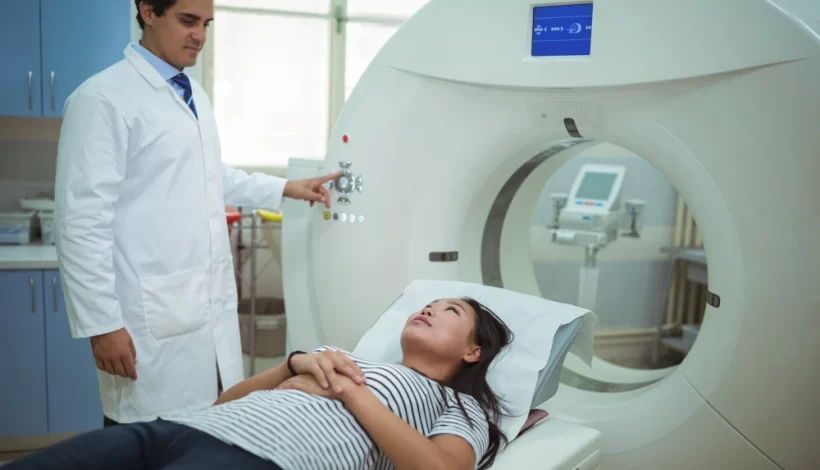
      2. Positioning: You will be asked to lie down on a motorized table, which will move you into the CT scanner—a large, doughnut-shaped machine.
      3. Imaging: The scanner will rotate around your body, taking a series of X-ray images from multiple angles. These images are then processed by a computer to create detailed cross-sectional images of the body.
      4. Contrast Materials: In some cases, a contrast dye may be injected or ingested to enhance the images, particularly when examining blood vessels or soft tissues.
      5. Completion: The entire process typically takes about 10-30 minutes. Once completed, the images are sent to a radiologist for interpretation, and your doctor will discuss the results with you.

      CT scans are generally painless and quick, but it’s important to remain as still as possible during the procedure to ensure clear images.

      Benefits of a CT Scan

      A CT scan in Mumbai offers several advantages over other diagnostic imaging methods:

      1. High Precision and Detail

      CT scans provide far more detailed images than regular X-rays, which allows doctors to detect conditions at earlier stages when treatment is more effective.

      2. Speed

      CT scans are typically fast, often taking less than 15 minutes for the procedure. This makes them ideal for emergency situations where time is of the essence.

      3. Non-Invasive

      Since CT scans are non-invasive, they don’t require surgery or other invasive techniques to gain a comprehensive view of your body’s internal structures.

      4. Guiding Treatments

      CT scans are not just used for diagnostics—they are also helpful in guiding treatments, including biopsies, surgeries, and the placement of radiation therapy for cancer patients.

      5. Versatility

      CT scans can examine nearly every part of the body, from the brain and heart to the abdomen and lungs. This versatility makes it one of the most commonly used imaging techniques in the medical field.

      Choosing the Best Imaging Centre for a CT Scan in Mumbai

      When it comes to CT scans in Mumbai, selecting the right imaging centre is crucial for ensuring accurate results and a comfortable experience. Here’s a breakdown of what to look for:

      1. Accreditation and Certification

      Always choose an imaging centre that is accredited by recognized medical bodies such as the National Accreditation Board for Testing and Calibration Laboratories (NABL) or the Joint Commission International (JCI). Accreditation ensures that the facility meets rigorous standards of quality, safety, and accuracy.

      2. State-of-the-Art Equipment

      The quality of your CT scan depends heavily on the technology used. Look for an imaging centre that uses the latest, high-resolution CT scanners. These machines deliver clearer images and reduce the need for repeat scans.

      3. Expert Radiologists

      Experienced radiologists who specialize in interpreting CT scan results are key to providing accurate diagnoses. Choose a centre with highly qualified radiologists with expertise in various fields, including neurology, cardiology, and oncology.

      4. Patient Comfort

      A good imaging centre should prioritize your comfort. Look for centres that provide clear instructions, minimize waiting times, and offer a soothing environment to reduce any anxiety you may feel.

      5. Affordable Pricing and Transparency

      While medical imaging can be expensive, a good centre should offer clear and transparent pricing with no hidden fees. Some centres may also offer packages or discounts for multiple scans or family members.

      6. Timely Reports

      Time is often of the essence when it comes to CT scans, especially if you’re dealing with a medical emergency. Choose an imaging centre that offers quick turnaround times for reports, ideally within 24 to 48 hours.

      7. Positive Reviews and Reputation

      Patient reviews can provide invaluable insight into the quality of service at an imaging centre. Look for centres with positive reviews that highlight professionalism, accuracy, and customer care.

      Why Ace Imaging Centre is the Best Choice for a CT Scan in Mumbai

      At Ace Imaging Centre, we are committed to offering the highest quality CT scans in Mumbai. Here’s why we stand out:

      1. Cutting-Edge Technology

      We utilize the latest CT scan machines to provide precise, high-definition images for accurate diagnosis. Our equipment ensures that your scan is performed with the utmost efficiency and safety.

      2. Expert Radiologists

      Our team of experienced radiologists has years of expertise in interpreting CT scans across various specialties, including neurology, cardiology, and oncology. You can trust that your results will be accurate and comprehensive.

      3. Patient-Centered Care

      We understand that medical procedures can be stressful, which is why we prioritize your comfort and care. From our friendly staff to our welcoming facilities, we aim to make your experience as smooth and stress-free as possible.

      4. Affordable and Transparent Pricing

      At Ace Imaging Centre, we offer competitive pricing for all our services, including CT scans. We believe in transparency, with no hidden charges. We are committed to providing high-quality diagnostic services without breaking the bank.

      5. Fast and Reliable Reports

      We know how important timely results are for your peace of mind and treatment planning. That’s why we guarantee fast report turnaround times, usually within 24-48 hours.

      Conclusion

      Whether you’re in need of a routine diagnostic scan or seeking answers for a serious health issue, choosing the right place for a CT scan in Mumbai is crucial for accurate results and peace of mind. At Ace Imaging Centre, we offer top-tier technology, expert radiologists, and a patient-focused approach to ensure you receive the best possible care.

      Don’t compromise on your health trust Ace Imaging Centre for your next CT scan in Mumbai. Contact us today to schedule an appointment and take the first step toward better health.

        Book an appointment

        Fill form and get discount. Check Offers

        1 2 3 5