
When diagnosing injuries or internal conditions, doctors often rely on imaging tools. Two of the most common are the MRI scan and the X-ray. While both provide valuable insights, they differ in technology, detail, and use. This guide explains what an MRI scan shows that an X-ray cannot—and when you might need one over the other.
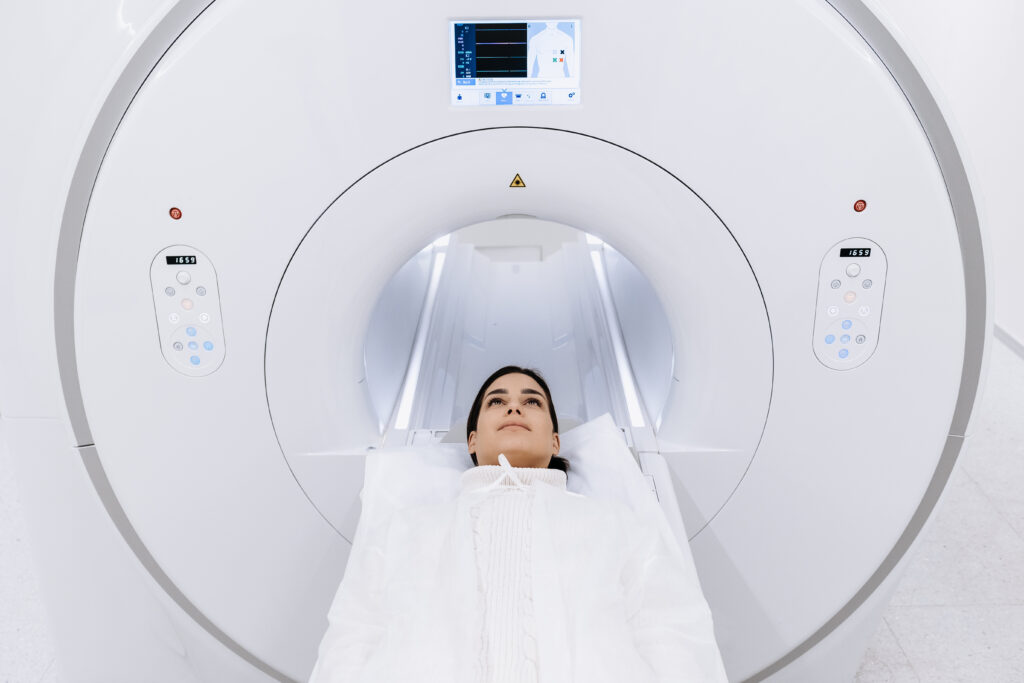
What Is an MRI Scan?
An MRI scan (Magnetic Resonance Imaging) uses strong magnets and radio waves to produce detailed images of your internal body structures. It’s especially effective for viewing soft tissues like the brain, muscles, and organs. One of the key MRI scan benefits is that it does not use harmful radiation.
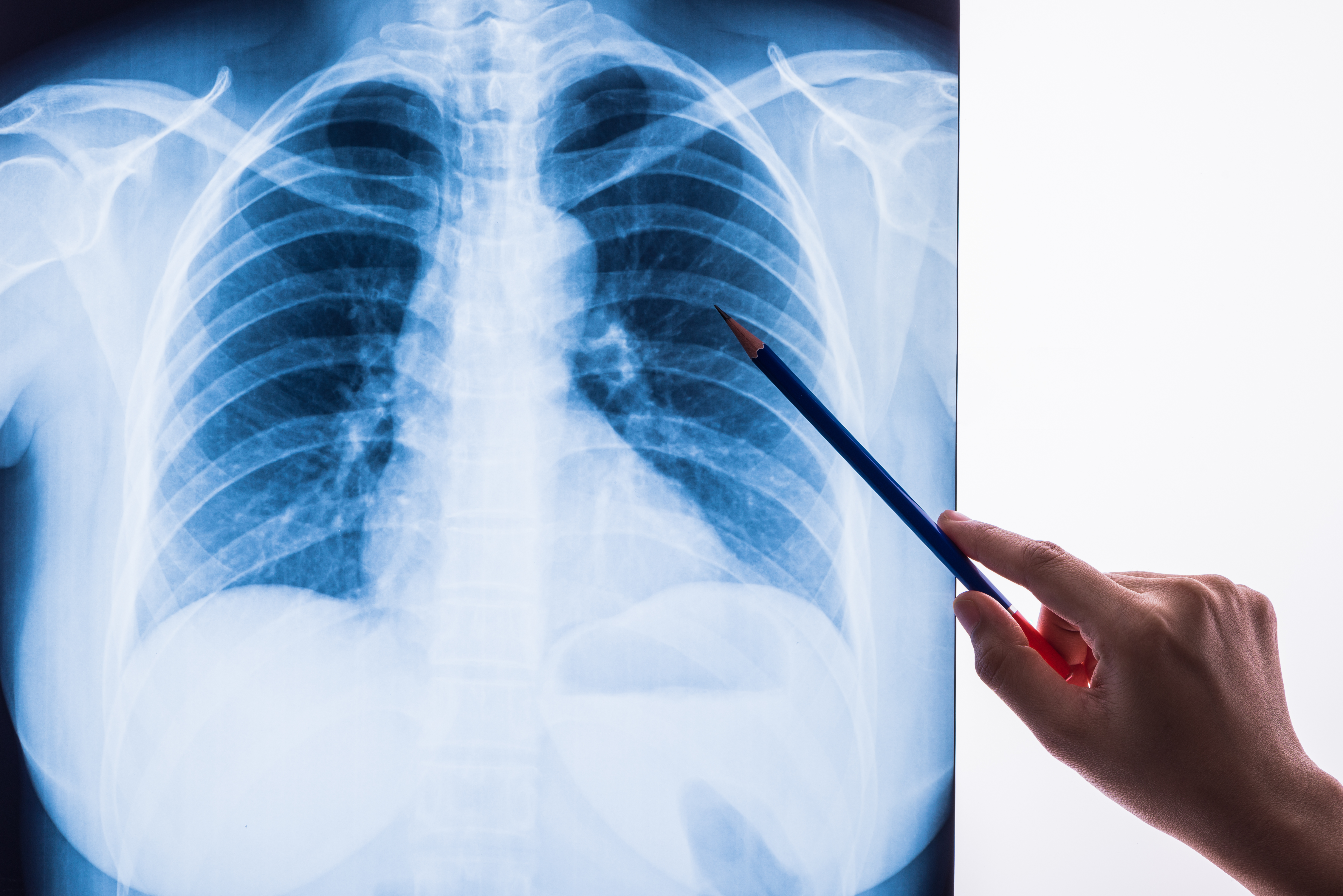
What Is an X-Ray?
An X-ray uses ionizing radiation to capture images of the inside of the body. It is fast, affordable, and ideal for viewing bones. However, it’s not as effective for diagnosing soft tissue conditions.
MRI Scan vs. X-Ray: Key Differences
| Feature | MRI Scan | X-Ray |
| Technology | Magnetic fields & radio waves | Ionizing radiation |
| Radiation | No | Yes |
| Image Detail | High (best for soft tissues) | Moderate (best for bones) |
| Use Case | Brain, joints, organs, spinal cord | Bones, fractures, lungs |
| Time Required | 15–60 minutes | Few seconds |
| Comfort Level | Requires staying still | Quick and simple |
| Cost | Higher | Lower |
What an MRI Scan Shows That an X-Ray Does Not
1. Soft Tissue Injuries
MRI scans clearly show ligaments, tendons, cartilage, and muscles—details an X-ray cannot capture.
2. Brain & Spinal Cord
For detecting brain tumors, stroke, multiple sclerosis, or disc issues in the spine, an MRI scan is far superior.
3. Joint & Cartilage Damage
If you’re suffering from knee pain or shoulder injuries, an MRI scan can detect meniscus or rotator cuff tears, unlike an X-ray.
4. Internal Organs
MRI scans can detect tumors or inflammation in the liver, kidneys, uterus, and other soft tissues that an X-ray would miss.
5. Blood Flow and Vessels
MRI angiography maps blood vessels without dye or radiation, making it a powerful diagnostic tool not available with a standard X-ray.
MRI Scan vs. X-Ray: Pricing Comparison
At Ace Imaging Centre
| Service Type | Scan Type | Price (INR) |
| MRI Scan | Brain | ₹8,000 |
| Spine | ₹7,500 | |
| Knee | ₹6,000 | |
| Shoulder | ₹6,500 | |
| Full Body | ₹15,000 | |
| X-Ray | Chest | ₹500 |
| Limb | ₹300 | |
| Spine | ₹700 | |
| Abdomen | ₹600 |
Note: Prices are indicative and subject to change.
MRI Scan Benefits
- No Radiation Exposure – Safe for repeat use.
- Detailed Imaging – Especially useful for soft tissue, nerves, and organs.
When Should You Choose an MRI Scan Over an X-Ray?
- Soft tissue injuries (e.g., ligaments, tendons)
- Brain or spinal issues
- Chronic joint pain
- Organ abnormalities
- Follow-up imaging for unclear X-ray results
Choose an X-ray when:
- Bone fractures or dislocations are suspected
- You need quick and low-cost imaging
- Lung issues like pneumonia are suspected
FAQs
1. What can an MRI scan detect that an X-ray can’t?
Soft tissue damage, brain disorders, and internal organ issues.
2. Is an MRI scan safe?
Yes, it uses no radiation and is non-invasive.
3. When is an X-ray better?
For viewing bones, fractures, or chest conditions quickly.
4. Which is more detailed—MRI scan or X-ray?
MRI scan offers more detailed images of soft tissues.
5. Is an MRI scan more expensive than an X-ray?
Yes. MRI scans are costlier due to advanced technology.
Conclusion
While X-rays are fast and effective for bones, MRI scans provide a deeper view of soft tissues, organs, and the brain. Knowing what each scan offers helps you and your doctor choose the best option for your diagnosis. If you need high-quality imaging services, Ace Imaging Centre offers expert support, advanced equipment, and competitive pricing.